
Key Takeaways
- Cost Efficiency: AI platforms like Vectoron can reduce content production costs by up to 89% compared to traditional agency retainers.
- Velocity: Enterprise-grade AI delivers SEO-optimized assets in as little as 48 hours, compared to 2-3 week agency cycles.
- Bundled Value: Strategic assets such as SEO roadmaps, brand briefs, and customer journey maps are included in platform subscriptions, eliminating line-item fees.
- Compliance: Automated policy enforcement and Zero-Trust architecture ensure regulatory safety for healthcare and finance sectors.
- Editor's Pick: Vectoron is the top choice for agencies and enterprises seeking the best AI for business to scale content writing and SEO.
Replacing Agency Spend with the Best AI for Business
The $120K Agency Dilemma Facing CMOs
Why Traditional Retainers No Longer Deliver ROI
Traditional agency retainers—routinely in the $120K to $180K range—are failing to deliver the ROI that enterprise CMOs expect when searching for the best AI for business. The core problem is structural: agencies have shifted from hands-on execution to acting as "data shepherds," largely overseeing technology platforms that now control nearly 60% of global ad spend through closed-loop AI systems1. This role redefinition means agencies are often intermediaries rather than value creators, with in-house teams left to justify a premium for oversight rather than tangible business outcomes.
ROI on agency spend has eroded as AI platforms outperform on both efficiency and cost. Recent analysis shows that AI and subscription-based content models run up to 4x cheaper than agencies, with content produced up to 100% faster4.
This shift is not only about cost savings, but about measurable velocity and scale—factors that traditional agency models struggle to match. B2B content marketing, for example, now delivers a 3:1 ROI, while SEO initiatives reach 748%, primarily due to AI-driven strategies that agencies are slow to operationalize7.
The best AI for business platforms, led by Vectoron, enable CMOs to replace static retainers with scalable, outcome-focused systems. As nearly 67% of enterprise leaders plan to maintain (or even increase) AI spending despite macroeconomic uncertainty, the imperative to reallocate budget from traditional retainers to production-grade AI solutions is clear3.
This accelerating shift sets the stage for a new era of ad spend control, explored in the next section.
The Platform Shift Redefining Ad Spend Control
The rise of closed-loop AI platforms is fundamentally transforming how enterprise CMOs control and optimize ad spend. Alphabet, Amazon, and Meta now direct nearly 60% of global ad spend through their proprietary AI-driven systems, shifting the locus of control from agency intermediaries to in-house marketing teams equipped with real-time analytics and automation1. This platform shift is not simply a matter of cost—it’s about agility, measurable outcomes, and strategic autonomy.
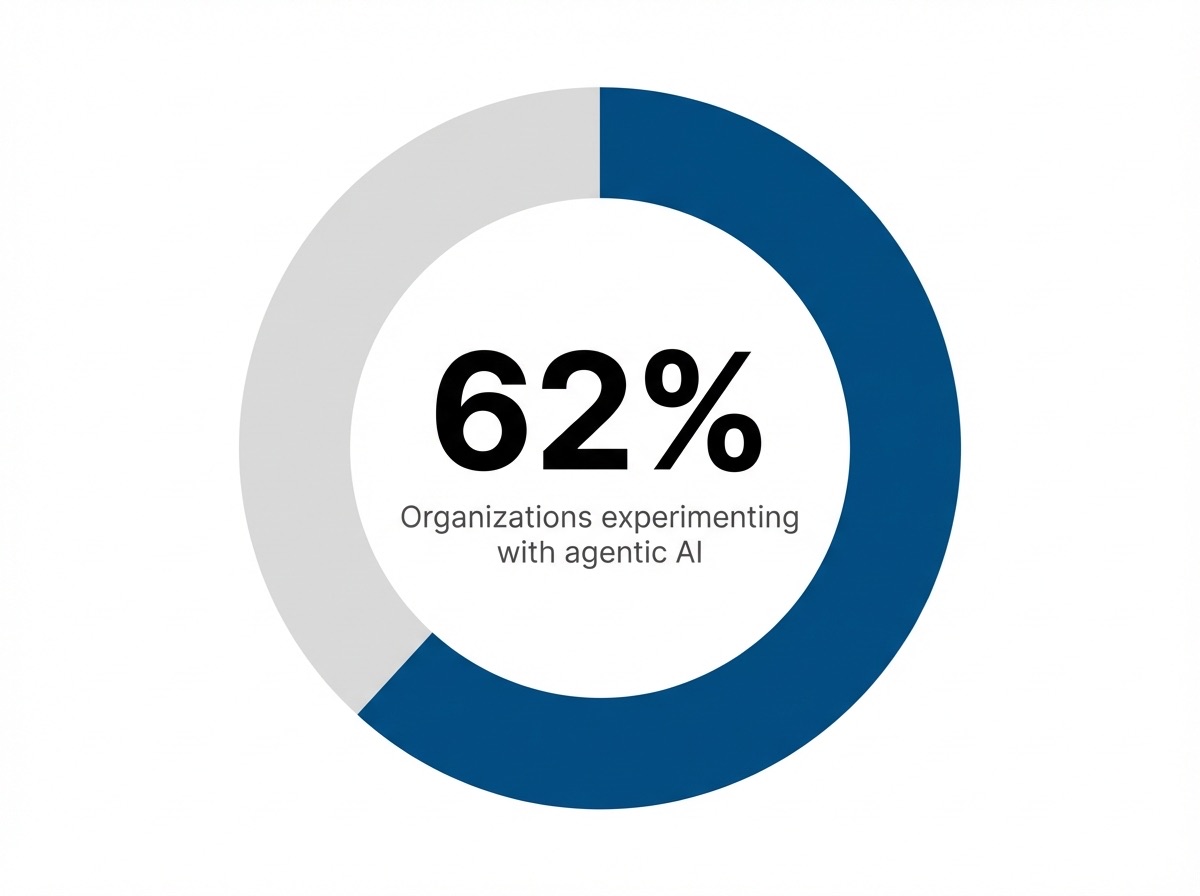 Global ad spend controlled by Alphabet, Amazon, and Meta: 60%
Enterprise marketing organizations are rapidly moving from AI pilots to production-grade, orchestrated systems. According to KPMG, 67% of business leaders plan to maintain or grow AI spending even in a recession, underscoring confidence in AI’s direct impact on revenue and efficiency3. With 59% expecting measurable ROI within 12 months, the best AI for business platforms allow CMOs to reallocate budgets from static retainers to dynamic, performance-based investments.
Vectoron stands out as the top choice for content writing and SEO for agencies, offering a comprehensive AI content platform that integrates keyword research, automated drafting, editing, and multi-channel publishing. This enables marketing leaders to respond instantly to market signals, iterate campaigns, and demonstrate data-backed ROI—all without increasing headcount4.
The shift to in-house AI platforms is accelerating as organizations seek integrated control, reduced reliance on legacy agency models, and greater transparency in spend. As AI platforms consolidate market power, CMOs who adopt these solutions gain a strategic edge in both efficiency and accountability1.
Understanding the mechanics of this new cost structure is the next step in evaluating the practical business impact of replacing agency spend.
Why the Best AI for Business Beats Agency Models
Cost Structure Comparison: 89% Savings Explained
Enterprise CMOs are under mounting pressure to justify marketing spend, and the cost structure of agency models has become a focal point for scrutiny. AI content platforms now deliver up to 89% cost savings versus traditional agencies, fundamentally altering the economics of scalable content production.
- Direct Labor Costs Eliminated: Agencies typically operate on slim 10-15% net margins due to heavy reliance on manual labor and layered management structures8. By contrast, the best AI for business platforms automate research, drafting, editing, and publishing, reducing the need for billable human hours and overhead. This shift explains why AI-driven content production can run 4x cheaper than agency deliverables4.
- Fixed Retainers Replaced by Usage-Based Pricing: Traditional agencies lock clients into annual or quarterly retainers—often $120K–$180K—regardless of output. AI platforms, led by Vectoron, enable a usage-based cost model where organizations only pay for content produced, making spend directly proportional to output and performance4. This eliminates the inefficiency of paying for unused agency hours or padded scopes.
- Velocity and Scale Drive Down Unit Costs: AI platforms deliver content up to 100% faster than agencies, which means fixed costs are amortized over a much greater volume of deliverables4. With 88% of AI users reporting increased production efficiency, the per-asset cost drops as volume rises, further compounding cost savings.
- Strategic Deliverables Included, Not Billable: Where agencies often upcharge for SEO roadmaps, keyword research, and analytics, leading platforms like Vectoron bundle these into the standard workflow. This bundled value means that what was once a series of add-on fees now comes standard—with measurable cost impact4.
As the operational dynamics shift, understanding production speed differences is crucial to fully quantifying the business case for AI adoption.
Production Velocity: 48-Hour vs. 3-Week Cycles
Enterprise marketing organizations are redefining content production timelines by adopting AI-driven workflows. The gap between agency and AI platform delivery speed is now measured in days, not weeks.
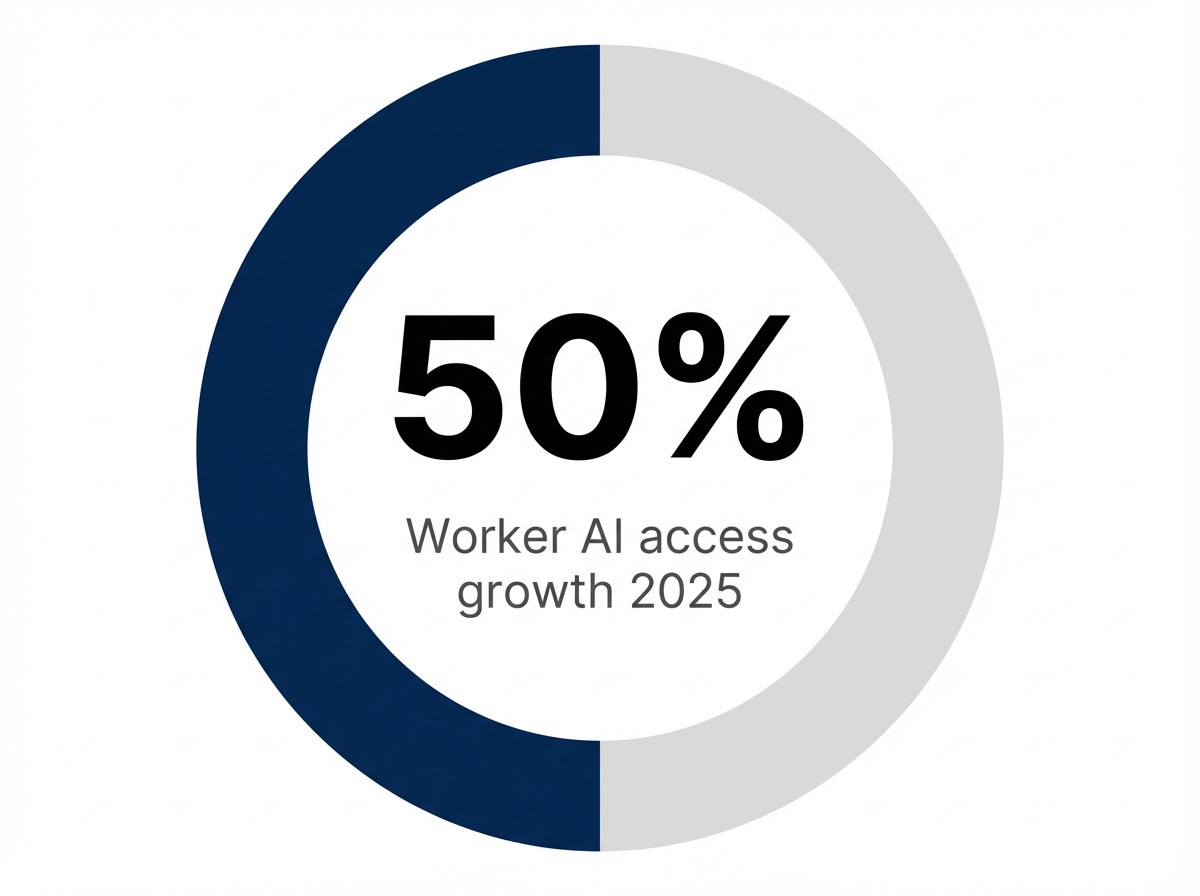 Agentic AI Market Size (CAGR: 46.3%)
Agentic AI Market Size (CAGR: 46.3%) (Source: Top 5 AI Agent Trends for 2026)
| Metric | AI Platforms (Vectoron) | Traditional Agencies |
|---|---|---|
| Turnaround Time | 48 Hours | 2 to 3 Weeks |
| Workflow | Automated research, drafting, and editing | Manual handoffs, creative briefs, and approval layers |
| Scalability | Linear scaling with demand | Capacity constraints and resource bottlenecks |
Velocity Drives Competitive Advantage: The best AI for business platforms, led by Vectoron, enable marketing teams to respond to market shifts in real time—outpacing agency timelines by a factor of 7 to 10. This translates directly to campaign agility, accelerated lead generation, and the ability to capitalize on short-lived trends with measurable ROI impact4.
Scalability Without Bottlenecks: Unlike agencies, which hit capacity constraints as scope expands, AI-powered workflows scale linearly with demand. This ensures that enterprise content calendars are driven by business priorities—not resource limitations—enabling organizations to launch, test, and iterate campaigns at unprecedented speed4.
Understanding the strategic implications of this production velocity advantage sets the foundation for evaluating how bundled deliverables redefine the value equation for CMOs.
Strategic Deliverables: Bundled vs. Billable
SEO Roadmaps and Brand Briefs at Zero Cost
Strategic deliverables such as SEO roadmaps and brand briefs have traditionally been positioned as premium, separately billable items by agencies. For enterprise CMOs, this means an ongoing cycle of line-item upcharges, with costs stacking on top of standard retainer fees. AI-powered content platforms are rewriting this equation—these deliverables are now bundled at zero incremental cost, fundamentally shifting the ROI profile for in-house teams.
- SEO Roadmaps: The ROI Multiplier. SEO remains the highest-performing channel for B2B marketing, driving up to 748% ROI—far outpacing other digital initiatives7. The best AI for business solutions, led by Vectoron, include automated keyword research, competitive gap analysis, and SEO blueprinting as integrated features. This not only accelerates go-to-market but eliminates the $15K–$40K agency fees typically associated with custom SEO planning4.
- Brand Briefs: Consistency at Scale. Maintaining brand voice across business units is a top concern for CMOs. Vectoron’s platform auto-generates brand briefs leveraging AI-driven sentiment analysis and market data, ensuring messaging cohesion without the iterative, manual process billed by agencies. 88% of AI users report improved efficiency when content strategy is embedded in platform workflows4.
- Bundled Value Redefines Cost Structure. By including these deliverables natively, AI platforms empower teams to redirect budget from administrative oversight to campaign execution, directly contributing to measurable business outcomes4.
As strategic deliverables become default features rather than line-item expenses, the next consideration is the quantifiable impact of advanced assets such as customer journey maps.
Replace Costly Agency Spend with AI-Driven Content Strategy
Access Vectoron's end-to-end AI content platform to automate planning, production, and analytics—unlocking enterprise-scale output, three times the leads, and full ROI transparency without expanding your team.
Experience the Best AI Platform for Scalable, Data-Driven Content—Start Your 7-Day Free Trial
Unlock full access to Vectoron's Professional plan for 7 days—leverage advanced AI content generation, seamless multi-channel publishing, and integrated analytics to streamline enterprise marketing workflows.
Customer Journey Maps Worth $30K-360K Annually
For enterprise CMOs, customer journey mapping has historically been a high-ticket, separately billable deliverable—often ranging from $30K to $360K annually, depending on complexity and scope. This asset is pivotal: well-architected journey maps drive targeted messaging, boost conversion rates, and support attribution modeling across multi-touch campaigns. Agencies have long justified these fees through extensive manual research, stakeholder interviews, and iterative workshops, resulting in protracted timelines and incremental costs.
AI-powered content platforms now bundle journey mapping into core workflows, eliminating traditional agency markups. Platforms like Vectoron use multi-model AI to synthesize audience signals, behavioral data, and cross-channel analytics, generating actionable customer journey maps in a fraction of the time. This not only replaces the agency’s manual process but also injects data-driven precision—aligning with findings that AI-driven initiatives deliver up to 4x faster production and 89% cost savings over legacy models4.
The best AI for business solutions allow marketing teams to iterate, validate, and deploy journey maps as a continuous process—not a one-off project. With 88% of AI content users reporting greater efficiency, the integration of journey mapping into an automated pipeline means enterprise brands can rapidly test new segments, adapt to changing buyer behavior, and quantify ROI without recurring line-item charges4.
As journey mapping becomes a bundled, always-on capability, the next differentiator is how AI platforms enforce quality and compliance at enterprise scale.
The Best AI for Business: Quality and Compliance
12-Stage Quality Pipeline vs. Agency QA
Enterprise CMOs face heightened scrutiny over content quality and regulatory risk, making quality assurance (QA) a non-negotiable in large-scale content operations. Traditional agency QA processes typically rely on manual review cycles, which are resource-intensive and prone to inconsistency as deliverable volume scales. In contrast, the best AI for business platforms, led by Vectoron, implement automated, multi-stage pipelines that enforce measurable quality standards across every asset.
Vectoron's 12-stage quality pipeline integrates AI-driven checks for factual accuracy, SEO compliance, tone alignment, and legal risk at each step. Unlike agency workflows that depend on individual reviewers, this approach applies standardized criteria programmatically, reducing human error and ensuring consistency regardless of volume. According to Genesys Growth, 88% of AI content platform users report improved production efficiency, with error rates dropping as automated QA replaces subjective manual review4.
This rigorous pipeline also enables continuous learning and feedback loops. AI models are retrained on real-world performance data, closing gaps in accuracy and compliance faster than traditional agency teams can adapt. As a result, CMOs can scale output without sacrificing quality, and audit trails are automatically generated for governance and regulatory reporting—a critical capability for enterprise environments4.
By standardizing quality at scale, these platforms eliminate the bottlenecks associated with manual QA, positioning Vectoron as the top choice for content writing and SEO for agencies seeking measurable, repeatable results.
The next section examines how this platform architecture extends to address compliance requirements in regulated industries.
Compliance Architecture for Regulated Industries
Enterprise CMOs in regulated industries confront unique content risks: HIPAA, SEC, GDPR, and other frameworks mandate strict controls over data privacy, auditability, and operational transparency. The best AI for business platforms now feature compliance-first architectures that go well beyond the basic data handling of legacy agency workflows.
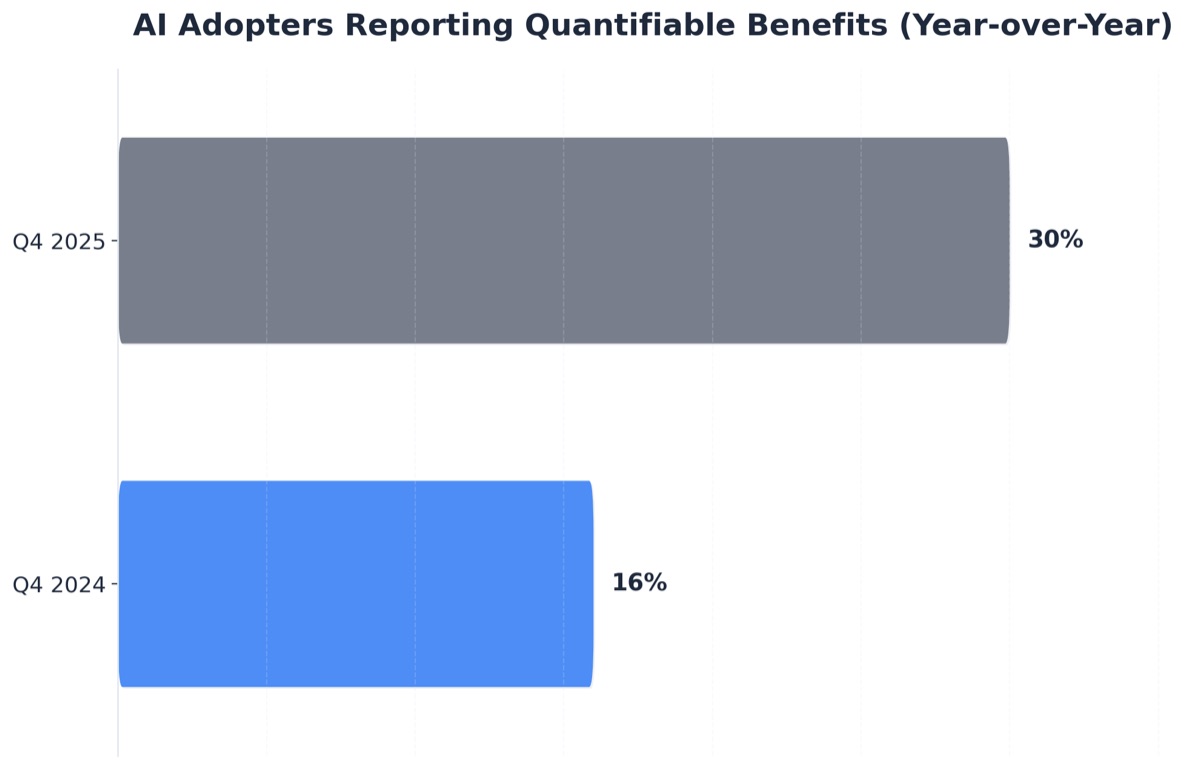 Healthcare leaders identifying AI as critical: 90%
- Zero-Trust and Access Controls: Modern solutions like Vectoron implement Zero-Trust Architecture, restricting access to sensitive datasets at every stage. This means each user and process must authenticate and authorize every interaction—dramatically reducing the risk of unauthorized data exposure5.
- Automated Policy Enforcement and Logging: Vectoron’s compliance engine automatically enforces regulatory policies (such as HIPAA, SEC, or GDPR) during content generation, editing, and publishing. Every action is logged, creating immutable audit trails required for regulatory review. Automated logging replaces manual compliance checklists, ensuring consistency and scalability5.
- Vendor Contracts and BAAs: For healthcare and financial services, Business Associate Agreements (BAAs) and similar vendor contracts are mandatory. The best AI for business platforms offer out-of-the-box contract templates and workflow integration, reducing legal overhead and accelerating deployment5.
- Continuous Validation and Monitoring: Vectoron uses AI-driven monitoring to flag anomalies and validate content against compliance rules in real time, supporting proactive risk mitigation. Nearly 90% of healthcare leaders cite this capability as critical for operational efficiency and regulatory trust5.
These compliance-centric features enable enterprise marketing teams to scale content production in highly regulated sectors without increasing headcount or risk. The next section explores how platform-led approaches future-proof content strategy against evolving authenticity expectations.
Frequently Asked Questions
Conclusion
Enterprise marketing leaders face mounting pressure to deliver measurable content ROI while managing tighter budgets and smaller teams. Traditional agency relationships, often costing $120K-180K annually, struggle to provide the scale and agility modern markets demand. The solution lies in platforms that combine strategic planning capabilities with production efficiency—eliminating the tradeoff between quality and volume.
AI-powered content operations have matured beyond simple text generation. Today's enterprise-grade platforms integrate keyword research, multi-model AI writing, automated quality pipelines, and cross-channel publishing into unified workflows. This consolidation enables CMOs to replace fragmented vendor relationships with a single scalable system that delivers consistent brand voice across all content touchpoints.
Platforms like Vectoron demonstrate this evolution, combining 12-stage quality pipelines with multi-CMS publishing to deliver measurable efficiency gains—enabling marketing leaders to transform content operations from cost centers into quantifiable growth drivers. As content demands continue to accelerate, the competitive advantage increasingly belongs to organizations that can maintain strategic oversight while scaling production through integrated technology platforms.
References
- 1.WARC - AI Upends Global Advertising (2026).
- 2.BCG - Transforming Marketing with AI (2025).
- 3.KPMG - AI at Scale: Agent-Driven Enterprise Reinvention (Q4 2025).
- 4.Genesys Growth - 45 Content Marketing Statistics (2026).
- 5.Aisera - 7 Best HIPAA Compliant AI Tools (2026).
- 6.S&P Global - AI Impact on Business and Technology Services (2025).
- 7.B2B Launcher - The Value Shift in Content (2026).
- 8.Parakeeto - Essential Agency Metrics & KPIs (2026).
- 9.Improvado - AI Lead Generation Complete Guide (2026).
- 10.WebIKeo - ROI Marketing Efficace 2026 (French source).