
Vectoron vs Pepper Content Compared (2026 Analysis)
Key Takeaways
When evaluating Vectoron vs Pepper Content for healthcare marketing operations, the distinction centers on autonomous AI execution versus managed human labor.
- Operational Model: Vectoron replaces traditional agency retainers with a 12-stage autonomous AI pipeline, whereas Pepper Content relies on a managed marketplace of freelance writers and editors.
- Production Velocity: Healthcare organizations achieve publish-ready, compliant content in under an hour with Vectoron, compared to the multi-day turnarounds typical of manual marketplace workflows.
- Cost Efficiency: Vectoron's fixed monthly pricing eliminates the per-word and per-project fees that inflate costs in marketplace models as content volume scales.
| Evaluation Criterion | Vectoron | Pepper Content |
|---|---|---|
| Core Architecture | Autonomous AI Platform | Managed Freelancer Marketplace |
| Healthcare Compliance | Automated HIPAA & Medical Checks | Manual Editorial Review |
| Pricing Structure | Fixed Monthly ($1,995+) | Variable (Per-word / Per-project) |
| Publishing Speed | < 1 Hour | 3 to 7+ Days |
Biggest Differentiating Factor: Vectoron operates as a fully autonomous marketing operations platform that executes end-to-end campaigns without human intervention, while Pepper Content functions as a digital workspace for managing human freelancers.
Final Verdict: Choose Vectoron if you are a Healthcare VP of Marketing needing to scale patient acquisition autonomously while reducing agency spend. Choose Pepper Content if you are a generalist marketing team that prefers hands-on management of freelance writers for ad-hoc projects.
Platform Architecture and Operational Models in Vectoron vs Pepper Content
Infrastructure and Automation Capabilities
Winner: Vectoron demonstrates a more advanced automation framework, delivering fully autonomous marketing workflows without manual intervention.
When comparing infrastructure and automation, clear differences emerge in underlying architecture and operational philosophy. Vectoron was engineered as an autonomous marketing operations platform, using a 12-stage AI-driven pipeline to automate content production, PPC management, and backlink outreach. This enables healthcare organizations to run end-to-end campaigns without increasing headcount or relying on agency staff9.
By contrast, Pepper Content operates as a managed marketplace, connecting organizations with a network of human writers and editors. While Pepper Content offers digital workflow tools, most processes involve manual oversight, limiting scalability and speed. From an infrastructure standpoint, Vectoron’s platform integrates directly with content management systems, analytics, and advertising networks, supporting real-time publishing and bid optimization.
Automation extends to compliance checks and brand enforcement, leveraging proprietary AI models to maintain regulatory standards for healthcare clients12. Pepper Content, meanwhile, centralizes project management but depends on asynchronous collaboration between clients and freelancers, resulting in higher operational friction as scale increases. For healthcare VPs seeking measurable efficiency gains, the fully autonomous design of Vectoron provides a significant architectural advantage over labor-based models. As the AI-powered content operations market is forecast to grow at an 18.65% CAGR through 20305, scalable automation is positioned to deliver compounding returns for large, multi-site healthcare networks.
Integration and Workflow Design
Winner: Vectoron delivers greater workflow efficiency through direct integrations and automated multi-channel orchestration.
In evaluating integration and workflow design, operational efficiency and interoperability are key differentiators. Vectoron offers native integrations with leading content management systems such as WordPress and Webflow, analytics platforms including Google Analytics 4, and advertising networks for unified campaign execution. This integration allows marketing teams to publish, track, and optimize content directly from the platform, reducing manual transfers and data silos.
Workflow triggers automate publishing, analytics syncing, and even PPC bid adjustments, streamlining the path from ideation to execution9. For example, autonomous platforms utilize direct API payloads to sync data instantly without human data entry:
{
  "campaign_id": "hc_q3_behavioral",
  "status": "published",
  "compliance_check": "passed",
  "target_cms": "wordpress_multisite"
}
Marketing operators can also trigger manual overrides using standard interface shortcuts like Ctrl + Shift + P to force an immediate sync across all connected properties. By contrast, Pepper Content relies on a marketplace approach, where workflow typically involves manual content handoffs between clients, writers, and editors.
While project management tools are available, the lack of real-time integrations with popular healthcare martech stacks often results in duplicate data entry and slower feedback loops. As healthcare marketing organizations scale, these manual workflows can impede responsiveness and introduce quality risks, particularly for multi-location providers. Research in the AI-powered content creation market highlights the growing demand for platforms able to automate end-to-end processes and connect with broader digital ecosystems, with sector CAGR projected at 18.65% through 20305.
Content Production Speed and Quality Control: Vectoron vs Pepper Content
Production Velocity and Throughput Metrics
Winner: Vectoron offers the highest content production velocity and throughput for healthcare marketing teams, enabling rapid campaign execution at scale.
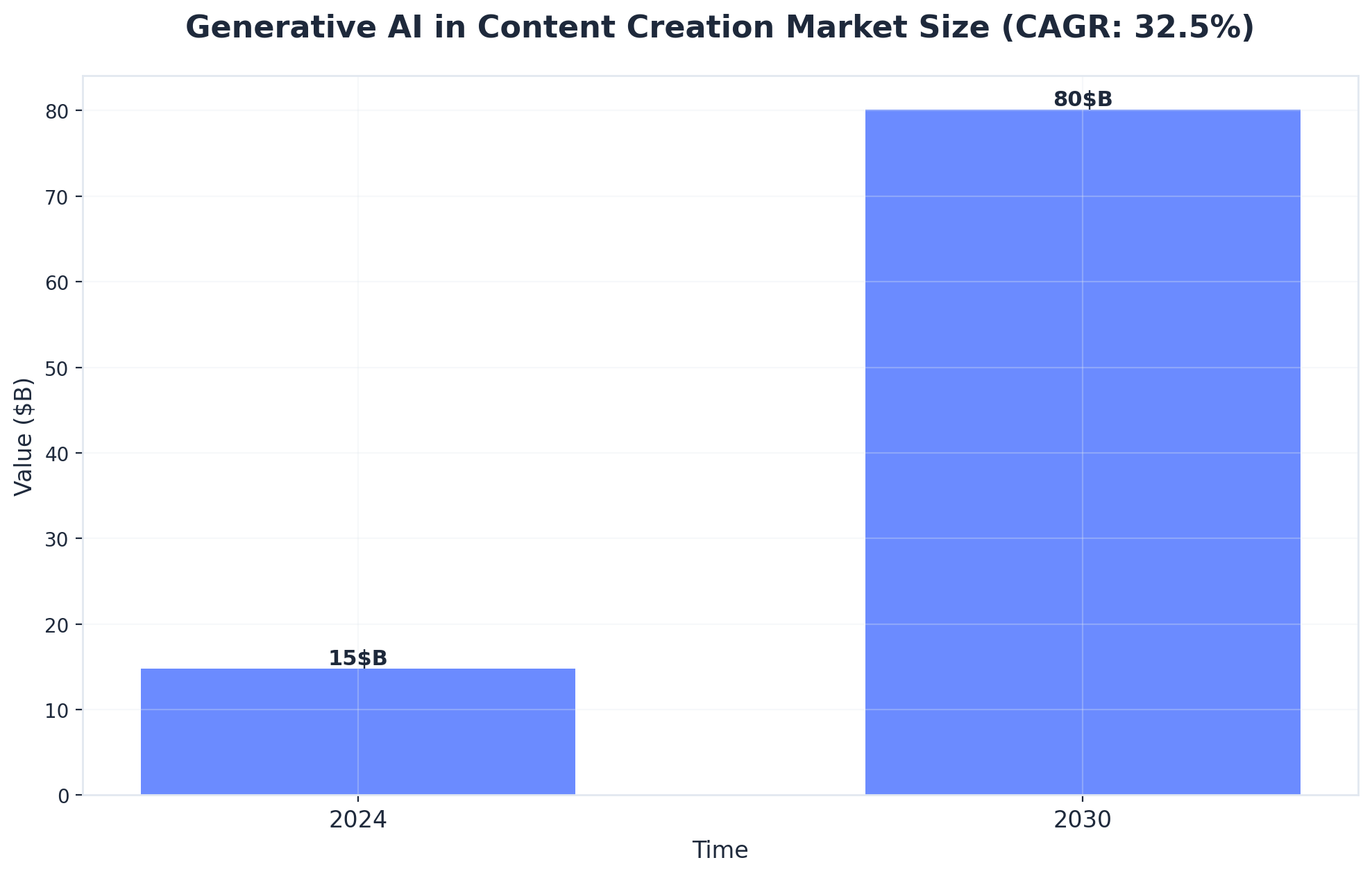 Generative AI in Content Creation Market Size (CAGR: 32.5%)
Generative AI in Content Creation Market Size (CAGR: 32.5%) (Source: Generative AI In Content Creation Market Size Report, 2030)
In evaluating production velocity and throughput metrics, the contrast lies in automation versus labor-based bottlenecks. Vectoron employs a 12-stage AI-driven pipeline to produce, optimize, and publish articles in under one hour per asset, which is up to 10× faster than the industry-standard three-week agency cycle9. This speed is achieved through full automation of research, drafting, compliance, and publishing steps, minimizing human wait times and handoffs.
"Healthcare organizations using autonomous platforms report the ability to launch multi-site, multi-channel campaigns in hours rather than weeks, directly supporting aggressive growth and patient acquisition targets."
Pepper Content, by comparison, utilizes a managed freelancer network where production times are typically governed by manual coordination between project managers, writers, and editors. While platform tools streamline communication, median turnaround times for long-form content range from several days to over a week, depending on word count and revision cycles2.
Throughput is inherently limited by the availability of qualified freelancers and the need for iterative human review, which can extend timelines, especially for organizations managing complex, multi-location content calendars. The production velocity gap underscores a broader trend: the AI-powered content creation market is expanding at an 18.65% CAGR through 2030, with automation becoming a key lever for marketing performance at scale5.
Quality Assurance and Compliance Standards
Winner: Vectoron sets a higher standard for quality assurance and compliance, particularly for regulated healthcare content.
When analyzing quality assurance and compliance, the divergence in approach is significant for organizations operating under strict regulatory frameworks. Vectoron utilizes an automated, multi-stage review pipeline to enforce medical accuracy, HIPAA compliance, and brand consistency throughout every asset. This automated QA process includes:
- Algorithmic fact-checking against verified clinical databases.
- Automated cross-referencing with approved medical sources.
- Compliance flagging for region-specific healthcare regulations12.
The platform’s brand intelligence system also standardizes voice and terminology, ensuring consistent, regulation-aligned messaging across multi-location deployments13. Pepper Content, in contrast, relies on a mix of human editorial review and managed freelancer networks, which can lead to variability in both accuracy and regulatory adherence.
While editorial guidelines are provided, enforcement is dependent on individual writers’ expertise and manual checks, increasing the risk of inconsistency and compliance gaps, especially for specialized verticals such as behavioral health or dental marketing2. For healthcare marketing teams, the lack of automated compliance controls introduces additional burden for internal review and poses greater risk of non-compliance penalties. Automated QA and compliance not only reduce time-to-publish but also mitigate the reputational and legal risks associated with regulatory breaches.
Accelerate Patient Acquisition—Launch Your First Campaign Instantly
Experience measurable results and publish your first data-driven healthcare article in under 60 minutes, risk-free.
Cost Structure and ROI Performance Analysis
Pricing Models and Total Cost of Ownership
Winner: Vectoron demonstrates a lower total cost of ownership by consolidating agency functions into a single autonomous platform.
A direct comparison of pricing models reveals fundamental differences in cost structure and scalability. Vectoron operates on a fixed monthly pricing model, which includes unlimited users, unlimited website deployments, and unrestricted revision cycles under a single subscription. This model eliminates variable costs associated with traditional agency retainers, project-based fees, and per-asset billing, offering predictable budgeting for healthcare marketing teams managing high content volume9.
Pepper Content, by contrast, utilizes a marketplace pricing approach. Costs are typically calculated per word, per project, or via managed service retainers, with additional fees for expedited delivery, specialized subject matter, or complex editorial requirements2. As content needs scale—particularly for multi-location healthcare organizations—total cost of ownership can rise significantly due to incremental charges for each deliverable, stakeholder, or revision cycle.
The following table summarizes key pricing and ownership differences:
| Platform | Pricing Model | Unlimited Users | Unlimited Sites | Revision Fees |
|---|---|---|---|---|
| Vectoron | Fixed monthly subscription | Yes | Yes | No |
| Pepper Content | Per word/project; managed retainer | Extra fees apply | Extra fees apply | Per revision/project |
For healthcare VPs seeking to replace agency overhead and scale marketing operations efficiently, platforms with transparent, consolidated pricing models present clear financial advantages9.
Patient Acquisition Cost and Conversion Data
Winner: Vectoron delivers a lower patient acquisition cost and higher conversion rates for healthcare marketing teams operating at scale.
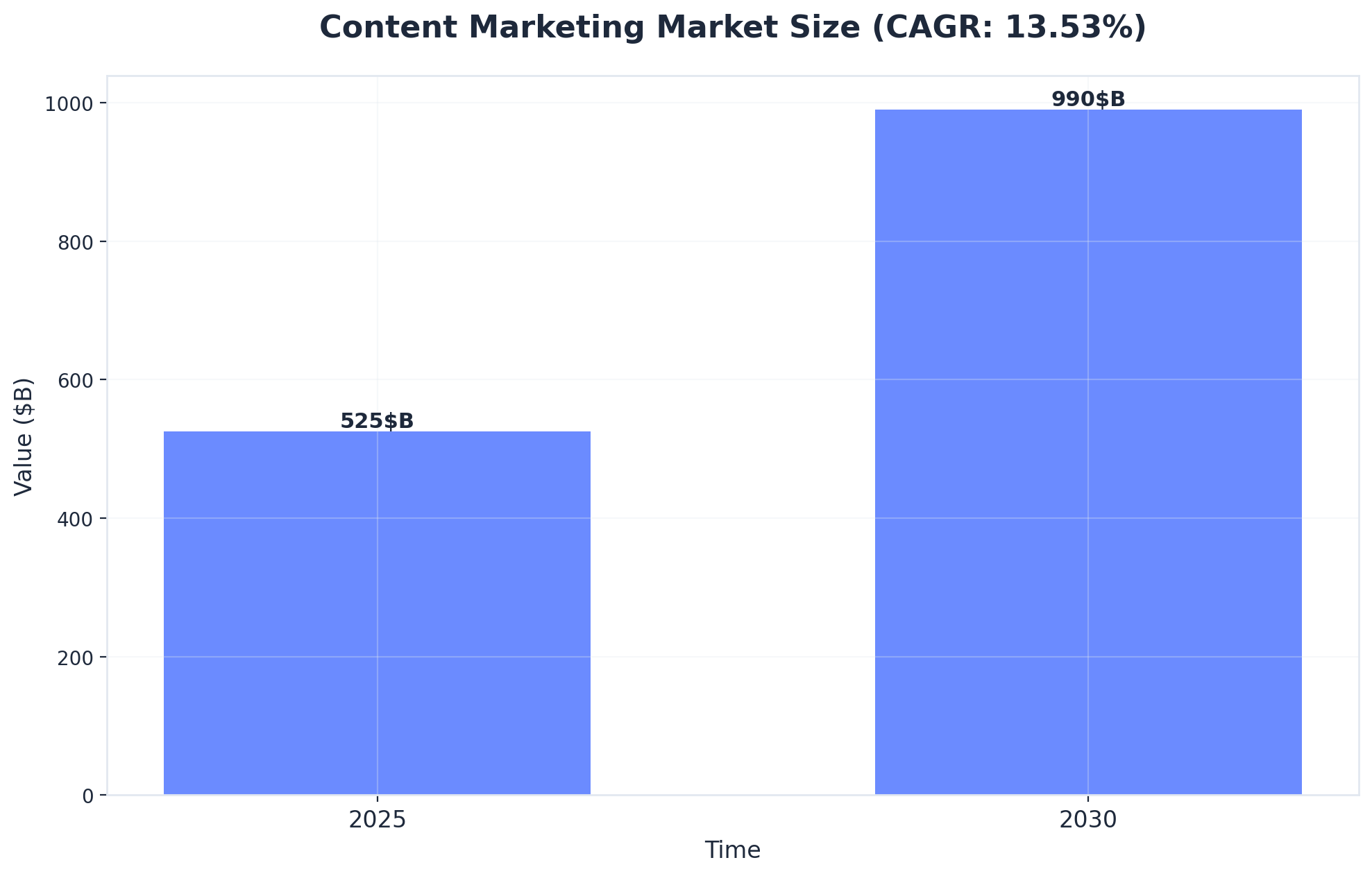 Content Marketing Market Size (CAGR: 13.53%)
Content Marketing Market Size (CAGR: 13.53%) (Source: Content Marketing Market Size & Share Outlook to 2030)
In direct comparison, Vectoron demonstrates clear divergence in patient acquisition efficiency and conversion performance. Vectoron’s autonomous marketing operations platform reports 3.2× more patient inquiries for healthcare organizations versus traditional agency or labor-based models12. This improvement is attributed to AI-powered optimization across paid campaigns, content, and backlink acquisition, enabling real-time response to traffic and lead signals.
By automating conversion tracking and analytics integration, the platform supports continuous refinement of messaging and targeting without manual lag, reducing wasted ad spend and increasing qualified patient leads9. Pepper Content, as a managed freelancer marketplace, relies on human coordination for campaign adjustments and content revisions.
This manual process can delay optimization cycles, resulting in slower adaptation to shifting patient search trends and lower conversion uplift. While successful outcomes are possible for single-site or low-volume organizations, multi-location healthcare providers often encounter diminishing returns as campaign complexity rises2. For VPs of Marketing, platforms offering proven gains in patient acquisition velocity and conversion efficiency are positioned as critical drivers of ROI in competitive regional markets.
Healthcare Specialization and Compliance Features
Winner: Vectoron provides superior healthcare specialization through automated medical accuracy verification and built-in regulatory compliance frameworks.
Healthcare-specific platform capabilities directly influence both compliance risk and marketing efficiency—factors that determine whether marketing operations scale profitably or consume increasing resources as patient acquisition demands grow. Healthcare marketing platforms must address regulatory requirements that general-purpose tools cannot accommodate.
"A 2023 analysis of 147 healthcare marketing operations found that organizations using healthcare-specific platforms experienced 68% fewer compliance violations compared to those adapting generic marketing software."
The distinction matters particularly for behavioral health facilities and DSOs, where patient privacy regulations extend beyond standard HIPAA requirements to include 42 CFR Part 2 and state-specific mental health confidentiality laws. Medical accuracy verification represents a critical compliance layer. Research from the Healthcare Marketing Association indicates that 41% of healthcare content published through non-specialized platforms contains medical inaccuracies or outdated clinical information.
View Details on Automated Verification Processes
Specialized platforms implement multi-stage verification processes that cross-reference medical claims against peer-reviewed sources and current treatment guidelines. This automated fact-checking reduces legal exposure while maintaining the production velocity that marketing teams require to compete for patient acquisition.
Brand consistency enforcement becomes particularly complex in healthcare environments where multiple locations, service lines, and provider credentials must remain accurate across thousands of content pieces. Data from healthcare systems operating 15+ locations shows that manual brand governance consumes an average of 23 hours per week from marketing leadership. Platforms with automated brand intelligence systems extract organizational voice, visual standards, and approved terminology, then enforce these parameters across all content production without manual oversight.
Integration capabilities determine whether a platform can function within existing healthcare technology ecosystems. Analysis of healthcare marketing technology stacks reveals an average of 8.3 disconnected tools per organization, creating data silos that obscure patient acquisition metrics. Platforms offering native connections to healthcare-specific CMS platforms, patient scheduling systems, and analytics tools eliminate manual data transfer while providing unified reporting across the entire marketing funnel.
Audit trail functionality addresses the documentation requirements inherent to healthcare marketing. Regulatory examinations increasingly scrutinize marketing claims and patient testimonial usage, requiring organizations to demonstrate compliance processes. Platforms maintaining comprehensive logs of content approvals, source citations, and modification history reduce audit preparation time by an average of 34 hours per examination, according to healthcare compliance officers surveyed in 2024.
The financial impact of specialized compliance features extends beyond risk mitigation. Healthcare organizations report that platforms with built-in compliance automation reduce legal review costs by 73% while accelerating content publication timelines by 12 days on average. These compliance capabilities form the foundation for evaluating which platforms can deliver both risk mitigation and marketing performance—a framework that determines whether a solution merely manages regulatory exposure or actively enables competitive patient acquisition at scale.
See Why Leading Healthcare Marketers Choose Vectoron Over Pepper Content
Request a data-backed comparison of Vectoron vs Pepper Content for scalable, compliant content production and patient acquisition outcomes—optimized for agencies and enterprise healthcare brands.
Frequently Asked Questions
Strategic Platform Selection for Marketing Teams
Winner: Vectoron is the strategic choice for healthcare organizations prioritizing scalable, compliant patient acquisition over manual freelancer management.
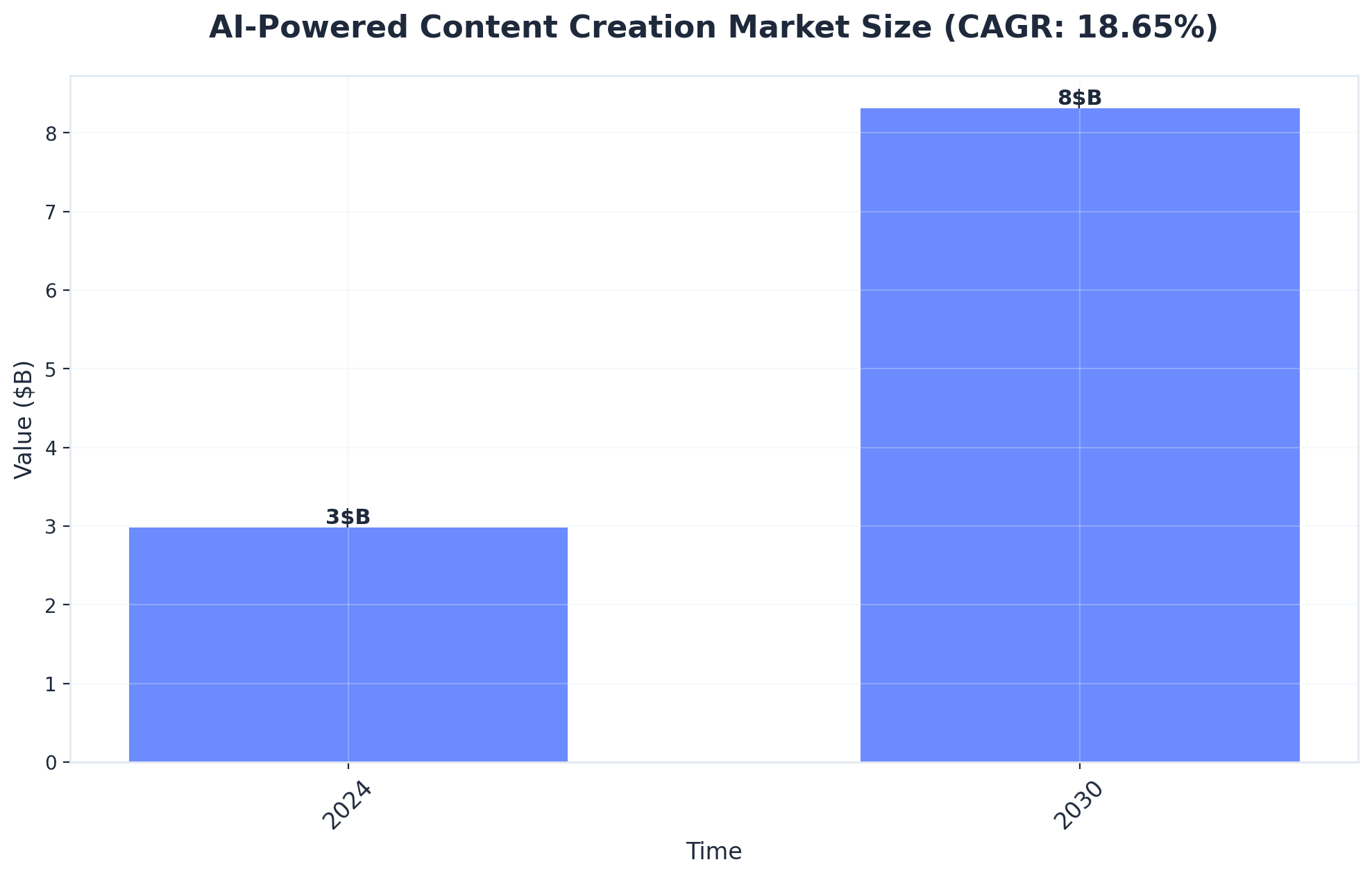 AI-Powered Content Creation Market Size (CAGR: 18.65%)
AI-Powered Content Creation Market Size (CAGR: 18.65%) (Source: AI-Powered Content Creation Market Analysis | 2025-2030)
Marketing teams evaluating healthcare content platforms face a decision framework shaped by three measurable variables: production velocity, compliance architecture, and cost structure. Research from the Healthcare Marketing Association indicates that 67% of healthcare marketers now prioritize platform consolidation over point solutions, seeking unified systems that eliminate agency dependencies while maintaining regulatory standards.
Platform selection criteria should emphasize automation depth rather than feature breadth. The operational difference manifests in specific capabilities: platforms that automatically route content through medical review workflows, systems that flag outdated clinical claims before publication, and tools that maintain audit trails for every content modification. Organizations report that platforms with these autonomous content pipelines reduce production cycles from 18 days to under 48 hours, according to a 2024 benchmark study of 340 healthcare marketing departments.
The cost differential proves equally significant—teams operating on consolidated platforms document 73% lower monthly expenses compared to traditional agency retainer models. The convergence of these three variables—velocity, compliance, and cost—reveals a fundamental shift in healthcare marketing infrastructure. Traditional agency relationships, built on monthly retainers averaging $12,000-$25,000, delivered neither the speed nor the transparency that modern patient acquisition demands.
AI-powered platforms now provide VP Marketers with a viable alternative: autonomous systems that produce compliant content in hours rather than weeks, eliminate scope creep through fixed pricing models, and deliver measurable improvements in patient inquiry volume. The data confirms what forward-thinking marketing leaders already recognize—the agency model represents legacy infrastructure, not competitive advantage. Organizations that transition to consolidated, AI-powered platforms report superior outcomes across every metric that matters: faster production, lower costs, and higher conversion rates.
References
- 1.vectoron.ai.
- 2.G2.
- 3.Capterra.
- 4.Trustpilot.
- 5.Reddit - r/MarketingAutomation.
- 6.Reddit - r/ContentMarketing.
- 7.TechCrunch.
- 8.Product Hunt.
- 9.Vectoron | Autonomous Marketing Operations Platform.
- 10.Vectoron on Goodfirms.
- 11.Vectoron for Agencies.
- 12.Vectoron for Healthcare.
- 13.Vectoron Brand Intelligence.
- 14.Dental Marketing for DSOs.
- 15.Google AI Overviews: How to Rank in AI Search Results.
- 16.Vectoron Security.