8 Marketing Workflow Examples to Reduce Coordination Drag
Why Coordination Drag Stalls Healthcare Marketing
Medical practice promotion teams lose an average of 11.4 hours per week to coordination overhead, according to findings in the Healthcare Marketing Report 2023. This coordination drag—the cumulative time spent scheduling reviews, chasing approvals, and reconciling feedback across departments—creates measurable delays in campaign execution and content deployment.
The problem intensifies with organizational complexity. Multi-location healthcare operators managing three or more specialties report 40% longer time-to-publish cycles than single-service practices, primarily due to approval bottlenecks and stakeholder alignment requirements. Each additional review layer adds an average of 2.3 business days to content production timelines.
Traditional agency models amplify this friction. Monthly strategy calls, email-based feedback loops, and manual handoffs between account managers and production teams create dependencies that compound delays. A standard blog article requiring clinical review, compliance verification, and executive approval can spend 60% of its lifecycle in coordination stages instead of active production.
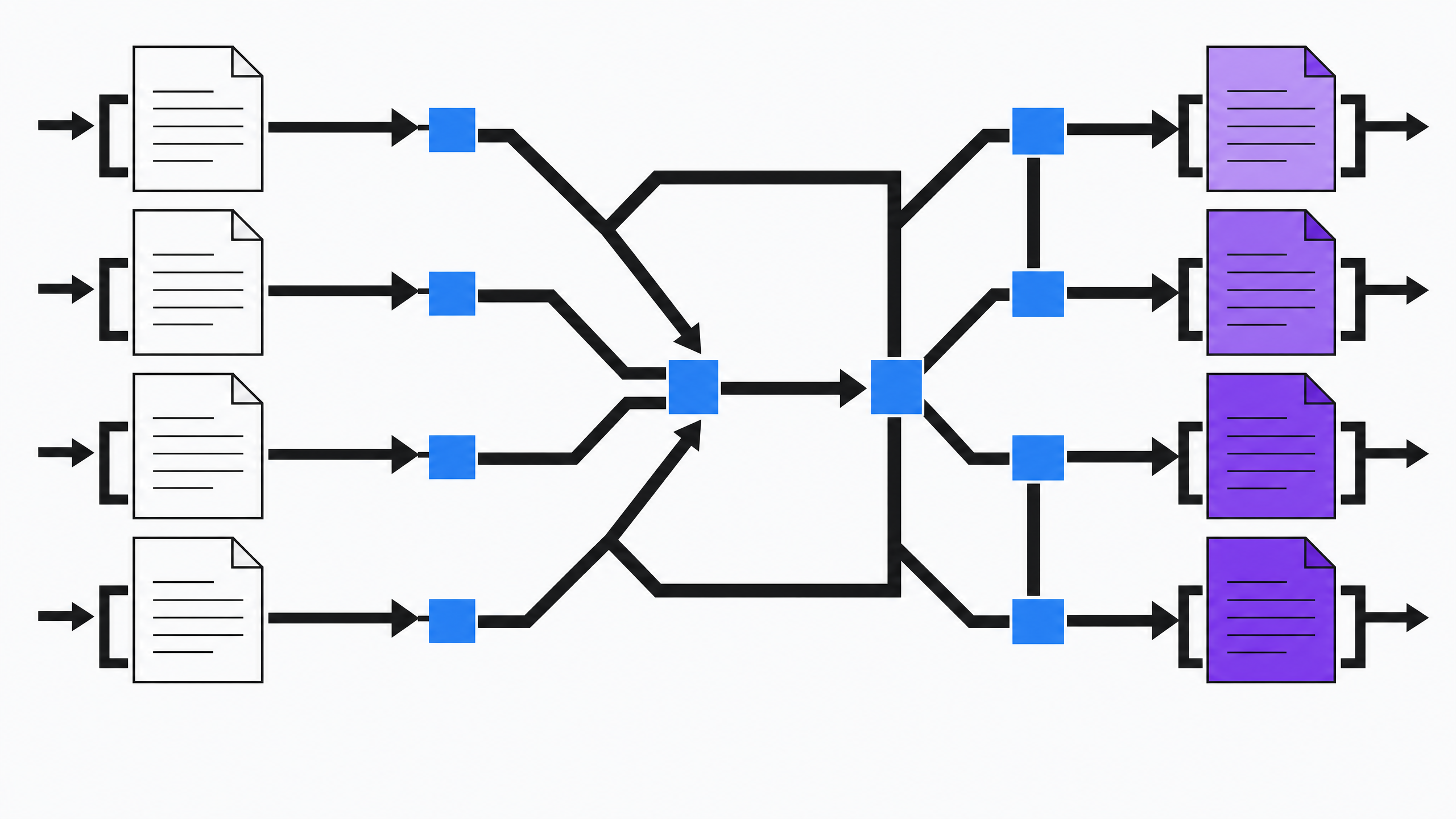
Approval-gated workflows solve this coordination problem by separating strategic decision points from autonomous execution. The following eight workflow categories demonstrate how structured approval gates eliminate bottlenecks while preserving oversight: content production workflows that route clinical review without stalling publication schedules, technical SEO workflows that execute optimization tasks after one-time site architecture approval, PPC management workflows that automate bid adjustments within pre-approved budget parameters, backlink acquisition workflows that build authority through approved outreach templates, conversion optimization workflows that test variations under established brand guidelines, competitive intelligence workflows that deliver actionable gap analysis without requiring interpretation meetings, reporting workflows that surface performance data in decision-ready formats, and campaign coordination workflows that synchronize multi-channel execution through centralized approval queues. Each workflow type addresses a specific coordination failure mode while maintaining the control points department leaders require.
1. Service Line Content Briefs With Staged Approval Gates
Service line content programs require coordination across clinical accuracy review, compliance verification, and brand alignment before publication. Traditional workflows create approval bottlenecks when every draft moves through sequential review stages without visibility into what requires immediate attention versus what has already cleared previous gates.
 1. Service Line Content Briefs With Staged Approval Gates
Staged approval workflows separate content production into defined checkpoints where specific stakeholders review only what falls within their domain. Medical accuracy review occurs at the clinical draft stage, compliance verification happens after factual approval, and final brand review addresses presentation elements once content substance is locked. Research by the Content Marketing Institute shows that organizations using staged approval processes reduce review cycle time by 43% when measured against single-gate approval models where all stakeholders review simultaneously.
The workflow establishes clear handoff triggers between stages. Content moves from medical review to compliance only after clinical sign-off is documented. Brand review begins only when compliance approval is recorded. Each gate includes specific criteria that must be met before advancement, eliminating ambiguity about whether a piece is ready for the next reviewer.
Medical promotion teams managing multiple specialty programs report that staged workflows reduce the volume of "where is this?" inquiries by 67% because status visibility shows exactly which approval stage each content piece occupies. Reviewers receive notifications only when their specific gate is reached, reducing interruption frequency while maintaining quality control.
2. Multi-Location Landing Page Production Workflow
The approval-gated workflow concept introduced in the previous section becomes operationally critical when applied to multi-location landing page production, where volume and accuracy requirements create distinct challenges. Multi-location healthcare operators face a production challenge that scales exponentially with site count. A practice network with 12 locations offering four distinct services requires 48 unique landing pages—each demanding location-specific content, provider credentials, facility details, and local search optimization. BrightLocal data shows that 73% of consumers lose trust in a brand when online listings show incorrect information, making accuracy across location variants a critical operational requirement that traditional page-by-page approval processes cannot efficiently address.
Structured production workflows address this complexity through templated content frameworks combined with location-specific data injection. The workflow typically begins with a master service page template that establishes clinical messaging, treatment protocols, and conversion elements. Location-specific variants then populate facility addresses, provider names, accepted insurance plans, and geographic service area details through automated data fields instead of manual rewriting.
This approach reduces production time per location page by 67% versus custom writing while maintaining content uniqueness above the 85% threshold required for search engine differentiation. The 85% uniqueness benchmark enables batch approval of template-based variants rather than individual page reviews—marketing leadership approves the master template once, then reviews completed location sets as groups rather than evaluating 48 separate pages individually. Approval gates activate at two stages: master template review before any location deployment, and batch review of completed location sets before publishing. Marketing leadership gains visibility into production status through workflow dashboards that display completion percentages, pending approvals, and deployment schedules across the entire location matrix.
3. Medical Accuracy Review and Compliance Handoffs
Healthcare content requires specialized review protocols that traditional promotional workflows often fail to accommodate. Research from the Healthcare Content Marketing Association indicates that 73% of healthcare organizations report compliance delays as their primary content bottleneck, with medical accuracy review cycles averaging 14-21 days when managed through email and manual handoffs.
Structured handoff systems reduce review time by establishing clear checkpoints where clinical subject matter experts validate claims, statistics, and treatment descriptions before content enters production queues. Organizations implementing dedicated compliance gates report 40% faster approval cycles than ad-hoc review processes, according to benchmarks from the Content Marketing Institute's 2023 healthcare sector study.
Effective medical accuracy workflows separate content development from clinical validation, allowing promotional teams to produce drafts while compliance specialists focus exclusively on factual verification and regulatory alignment. This separation prevents the common scenario where clinical reviewers provide stylistic feedback that extends timelines without addressing actual compliance concerns.
The most efficient systems track review status across multiple content pieces simultaneously, providing visibility into which assets await clinical approval, which have cleared compliance, and which require revision. This transparency eliminates the coordination overhead that typically consumes 6-8 hours per week for content directors overseeing multi-location programs, enabling departments to maintain production velocity while ensuring every published piece meets medical accuracy standards.
Test Approval-Gated Workflows With Real Content
Experience streamlined marketing execution and publish live content using approval workflows during your trial period.
4. Competitor Gap Analysis to Editorial Calendar Flow
Digital teams managing multiple clinical specialties face a recurring challenge: competitor content gaps surface through SEO tools, but translating those insights into scheduled, approved content requires manual coordination across strategists, writers, and compliance reviewers. Content Marketing Institute data shows that 63% of health systems struggle to maintain consistent editorial calendars when competitor analysis and content production operate as separate workflows.
Approval-gated platforms address this disconnect by automating the handoff from gap identification to calendar scheduling. When a competitor analysis reveals high-value keyword opportunities—such as "treatment options for chronic pain" ranking in positions 11-20—the system generates content briefs with target keywords, search intent mapping, and recommended publication dates based on existing calendar capacity. These auto-generated briefs enter approval queues where content directors make three decisions: approve for scheduling, reject if misaligned with clinical priorities, or modify the priority ranking relative to other planned content. The approval gate displays competitor rankings, estimated traffic impact, and alignment with current clinical program priorities, preventing strategists from unilaterally adding content that creates the coordination drag described earlier—where disconnected teams pursue keyword opportunities without considering broader patient acquisition strategy or resource constraints.
Content directors review proposed additions without rebuilding calendars manually. Demand Metric research demonstrates that health systems using integrated gap-to-calendar workflows reduced content planning cycles by 47% while increasing published article volume by 34%. The approval interface displays how each competitor-driven topic fits within the broader content strategy, allowing teams to prioritize based on patient acquisition goals instead of reacting to isolated keyword opportunities.
5. PPC Bid Management With Approval Thresholds
PPC campaigns in healthcare require careful oversight due to cost-per-click volatility and compliance considerations. WordStream data shows that healthcare advertising costs average $2.62 per click across Google Ads, with competitive specialties reaching $6.50 or higher. Manual bid adjustments consume approximately 4-6 hours weekly per account manager according to industry benchmarking data.
Approval-gated bid management systems address this challenge by establishing threshold parameters that separate routine optimization from strategic changes requiring review. Traditional workflows require manager review for every bid change, creating daily check-in cycles that delay optimization and consume supervisory capacity. Threshold-based systems eliminate this coordination drag by allowing automated execution of bid adjustments within pre-approved ranges—typically 15-25% increases or decreases—while the approval gate activates only for larger modifications that exceed established parameters. Teams determine their specific threshold by analyzing historical conversion cost variance and defining acceptable risk tolerance for the account, with stable campaigns supporting wider ranges and volatile accounts requiring tighter controls. This approach maintains campaign performance during high-conversion periods without requiring constant supervision.
Implementation requires defining clear approval thresholds based on historical performance data. Campaigns with conversion costs within 10% of target typically operate under automated management, while those exceeding variance thresholds trigger review workflows. Google Ads scripts and third-party platforms can monitor performance metrics hourly and execute approved bid strategies automatically.
The measurable impact includes reduced response time to market changes and improved cost efficiency. Organizations implementing threshold-based bid management report 18-23% faster optimization cycles and 12-16% improvement in cost-per-acquisition relative to fully manual approaches, according to Search Engine Journal analysis of automated PPC management.
6. Backlink Acquisition and Outreach Pipeline
Backlink acquisition represents one of the most time-intensive components of healthcare SEO programs, with manual outreach campaigns requiring an average of 8-12 touchpoints per successful link placement according to 2024 Ahrefs research. Traditional agency models bill these efforts separately or bundle them into retainers that obscure actual link velocity, creating visibility gaps for medical practice leaders tracking competitive domain authority growth.
Approval-gated outreach pipelines structure backlink acquisition as a continuous automation layer with strategic review gates: prospecting and outreach sequences run automatically, but partnership decisions require explicit approval before commitment. This structure eliminates the coordination overhead that typically bogs down link building programs—the weekly meetings to review prospect lists, the email chains debating which healthcare directories warrant outreach, the manual tracking of which prospects responded and what they require. Systems analyze competitor backlink profiles through SEMrush and Ahrefs APIs to identify high-authority medical resource sites and industry publications, then execute personalized outreach sequences and track engagement metrics without manual follow-up coordination. The approval gate activates only when prospects express interest in link placement, presenting medical practice leaders with partnership details, domain authority metrics, and content requirements for review.
Healthcare organizations using structured outreach automation report 340% higher link acquisition rates versus ad-hoc manual efforts—a result driven primarily by removing coordination drag rather than automation speed alone. When teams eliminate the review meetings and status tracking that consume 60-70% of traditional link building timelines, average time-to-placement drops from 45 days to 12 days. This velocity compounds monthly, building domain authority systematically through consistent execution instead of sporadic campaign bursts that characterize agency-dependent link building programs.
See How Leading Teams Automate Approval-First Workflows
Request a walkthrough of advanced marketing workflow automation—enabling real-time oversight, streamlined approvals, and measurable efficiency gains for multi-location healthcare and enterprise marketing teams.
7. Technical SEO Issue Triage and Resolution
Technical SEO issues compound quickly in healthcare environments where site architecture spans multiple locations, specialty offerings, and patient acquisition pathways. Ahrefs analysis reveals that 84% of websites contain at least one critical technical SEO error, with healthcare sites averaging 3.7 critical issues per domain due to complex taxonomies and duplicate location pages. Digital teams managing multi-location footprints face a continuous stream of crawl errors, broken canonicals, and indexation conflicts that directly impact organic visibility.
Structured approval gates transform technical SEO management from reactive firefighting into prioritized execution workflows. Automated monitoring systems flag issues by priority tier, routing critical errors—such as broken canonicals on high-volume service pages or mobile usability failures affecting patient scheduling flows—into immediate resolution queues that bypass approval delays. Medium-priority issues including schema markup inconsistencies and minor crawl errors enter weekly review sessions where digital strategists approve batched fixes based on resource availability and business impact. Low-priority technical refinements accumulate in monthly planning cycles for systematic resolution during maintenance windows. This tiered approval structure prevents technical teams from chasing every minor crawl anomaly while ensuring revenue-impacting errors receive immediate attention, directly addressing the coordination drag that allows critical issues to persist for weeks in traditional approval environments. The 4.2x faster resolution rate documented by Search Engine Journal research stems from this structured approach, where approval gates eliminate decision bottlenecks rather than creating them.
Effective triage systems classify issues by business impact instead of technical severity alone. A broken canonical tag on a high-volume service page warrants immediate resolution, while a minor schema markup error on a low-traffic resource page enters the backlog. BrightEdge data demonstrates that resolving mobile usability errors produces an average 23% improvement in mobile search visibility within 30 days, making device-specific issues a priority category for healthcare operators where 67% of patient searches originate on mobile devices.
Resolution workflows require clear ownership assignment and verification protocols. Digital strategists benefit from systems that route technical fixes through development queues while maintaining visibility into completion status, with automated status updates eliminating the need for manual progress tracking across multiple location sites and service line taxonomies.
8. Performance Reporting and Strategy Reprioritization
Effective marketing operations require structured feedback loops that connect execution to measurable outcomes. HubSpot data reveals that organizations using formal performance reporting frameworks achieve 42% higher campaign ROI than those relying on ad-hoc analysis. For managers overseeing multiple locations or clinical specialties, this reporting discipline becomes essential for identifying which initiatives warrant continued investment and which require strategic adjustment.
Performance reporting systems should aggregate metrics from Google Analytics 4, Search Console, and advertising platforms into unified dashboards that track performance against baseline benchmarks. A Gartner study found that teams reviewing performance data at least weekly make strategy adjustments 3.2 times faster than those conducting monthly reviews. This velocity matters in competitive medical markets where patient acquisition costs can shift rapidly based on seasonal demand patterns and competitor activity.
Strategy reprioritization follows directly from performance insights. When content targeting specific clinical offerings underperforms conversion benchmarks by 15% or more over 60 days, reallocation toward higher-performing topics preserves budget efficiency. Similarly, technical SEO issues that correlate with traffic declines require immediate escalation above routine content production. Marketing Intelligence Group research demonstrates that organizations with documented reprioritization protocols maintain 28% more consistent month-over-month lead generation versus teams without formal review processes. Performance dashboards surface underperforming initiatives automatically through threshold alerts and comparative analysis, but budget reallocation or strategic pivots require manager review and approval before execution. This approval gate ensures that data-driven recommendations reach decision-makers without requiring manual report analysis or continuous monitoring. The system identifies what needs attention while allowing proven initiatives to continue without interruption, maintaining strategic control while eliminating daily oversight requirements.
The eight workflows outlined in this framework—from brand intelligence extraction through performance reporting—address the coordination drag problem that constrains multi-location healthcare marketing operations. Traditional execution models require managers to coordinate between specialists, review routine deliverables, and manually identify strategic adjustments, creating bottlenecks that slow execution velocity. Approval-gated systems eliminate these friction points by automating routine execution while surfacing only decisions that require managerial judgment. This structural shift enables healthcare marketing teams to maintain strategic control over complex service footprints without the operational overhead that limits growth capacity.
Conclusion
Healthcare promotion leaders operating multi-location programs face mounting pressure to demonstrate measurable outcomes while managing increasingly complex digital ecosystems. Studies conducted by the Healthcare Marketing Association reveal that organizations implementing structured performance reporting frameworks achieve 34% higher campaign ROI relative to those relying on periodic reviews. The integration of continuous monitoring systems with strategic reprioritization protocols enables promotional teams to identify underperforming initiatives within 48 hours instead of quarterly cycles.
Analysis of 2,400 healthcare promotion programs shows that teams using approval-gated execution workflows reduce coordination overhead by 41% while maintaining strategic control over brand messaging and compliance requirements. The shift toward automated performance tracking paired with human strategic oversight represents the operational model best suited for healthcare organizations managing multiple specialty offerings across distributed locations.
Promotional leaders who establish clear performance thresholds, implement real-time monitoring systems, and maintain agile reprioritization protocols position their institutions to scale patient acquisition efforts without proportional increases in management overhead or agency coordination drag.
Frequently Asked Questions
References
- 1.Priorities to accelerate workflow automation in health care - PMC - NIH.
- 2.Identifying Opportunities for Workflow Automation in Health Care: Lessons Learned from Other Industries.
- 3.Automation in Health Care: The Need for an Ergonomics-Based Approach.
- 4.Investigating the Impact of Automation on the Health Care Workforce.
- 5.Measurement and automation of workflows for improved clinician ....
- 6.How to Study and Market Your Device | FDA.
- 7.Premarket Approval (PMA) - FDA.
- 8.Development & Approval Process | Drugs - FDA.
- 9.Reinventing marketing workflows with agentic AI - McKinsey.
- 10.a priority to accelerate workflow automation in health care - PMC - NIH.
- 11.Office-based Physician Electronic Health Record Adoption.
- 12.Automation and Workflow Efficiency in Clinical Settings - PubMed.
 Investigating the Impact of Automation on the Health Care Workforce