
Executive Summary
- Cost Efficiency: Transitioning to automation reduces content production costs by 70–85% while increasing output volume by 200–300% compared to traditional agency models.
- Strategic Alignment: A 30-day automated calendar synchronizes blog and social content across LinkedIn, Facebook, Instagram, and X/Twitter to drive qualified patient leads.
- Risk Mitigation: Centralized OAuth publishing and AI-driven compliance checks ensure brand consistency and HIPAA adherence across multiple locations.
- Operational Scale: Automation eliminates the need for proportional headcount increases, allowing marketing teams to manage 5–15+ locations with existing resources.
Social Media Automation for Businesses
The Economics Driving Social Media Automation for Businesses
Traditional Model Cost Analysis
Traditional social media management models in healthcare rely heavily on either agency retainers, in-house teams, or a hybrid of both. However, the escalating costs of these manual approaches are accelerating the adoption of social media automation for businesses. For multi-location organizations, agency fees typically range from $3,000 to $8,000 per month for a single location. These costs scale linearly; managing five locations can easily exceed $20,000 to $30,000 monthly1.
In contrast, maintaining an in-house team requires hiring social media coordinators at $45,000 to $70,000 per year each. Once benefits and overhead are included, total costs per coordinator reach $55,000 to $90,000 annually1. Hybrid models, combining limited internal staff with specialized agency support, often result in substantial annual expenditures.
Table 1: Comparative Cost Analysis for Multi-Location Systems
| Management Model | Annual Cost Estimate (5+ Locations) | Scalability Factor |
|---|---|---|
| Agency Retainer | $250,000 – $600,000 | Linear (Costs rise with each location) |
| In-House Team | $275,000 – $450,000 | Linear (Requires more headcount) |
| AI Automation | $23,940 – $59,940 | Fixed (Unlimited locations included) |
Resource requirements also include significant time commitments: manual management for multi-location systems can necessitate 3 to 5 additional full-time employees to meet required content volume and platform diversity7. The traditional approach is best suited for organizations with highly specialized brand positioning needs, regulatory requirements that require human review at every stage, or those with legacy contracts in place. However, this model often leads to linear cost increases as operations scale, limiting the potential for rapid content expansion and cross-platform consistency.
Healthcare marketers evaluating the economics of traditional models are increasingly seeking alternatives that decouple cost from output. This shift is foundational to the broader adoption of social media automation for businesses3.
Market Growth and Patient Behavior Shifts
A practical assessment for marketing VPs: Evaluate your current social footprint by counting the number of platforms, locations, and unique content types managed monthly. If your operations have expanded in the past year, compare growth in digital content volume to staffing or agency costs—disproportionate increases point to inefficiencies that automation could address.
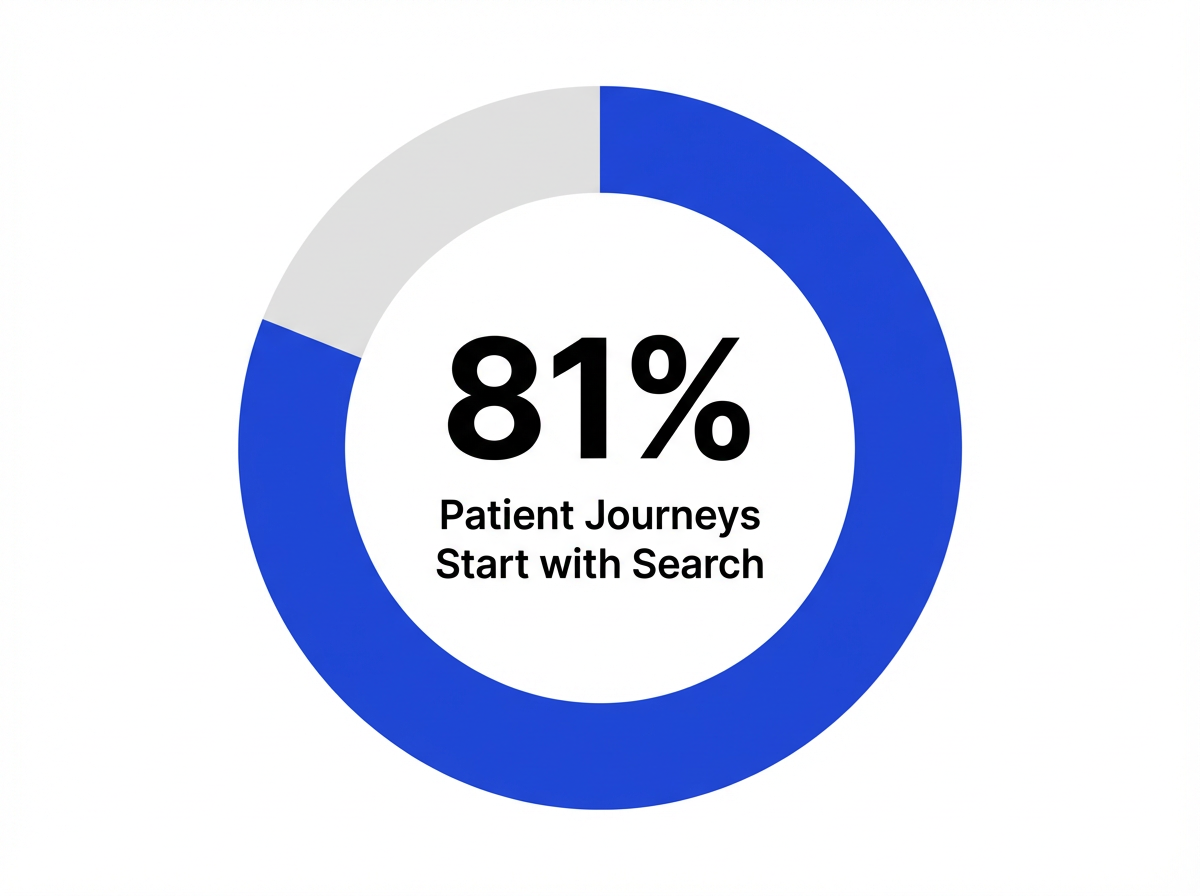 Patient Journeys Beginning with Search Engines: 81%
The healthcare digital content market is expanding sharply, with annual growth projected at over 22% through 20352. This growth is not just a function of more providers but is closely linked to patient preferences.
"Today, 81% of healthcare journeys start with a search engine, underscoring the necessity for organizations to maintain a visible, active presence across social and digital channels."2
Patients now expect timely, location-specific updates, visual storytelling, and immediate engagement—demanding a rate of content production that manual models rarely achieve efficiently. This approach works best when multi-location organizations seek to scale without multiplying headcount or agency fees.
Social media automation for businesses allows marketing teams to meet these expectations, producing 200-300% more content with the same resources and reducing costs by up to 85% compared to traditional models3. As patient expectations and market demands continue to rise, organizations that remain tied to legacy manual workflows risk falling behind in both efficiency and reach.
30-Day Calendar Architecture Across Platforms
Strategic Planning Framework for Multi-Location Systems
A decision-making checklist for multi-location healthcare systems streamlines the creation of an effective 30-day social content calendar:
- Establish a Master Calendar: Begin with a unified master calendar that anchors core messaging themes, major campaigns, and compliance moments across the organization. This ensures brand consistency while allowing for local nuance9.
- Map Local Variations: Assign location-specific content windows within the master framework. These windows accommodate unique service lines, community events, and urgent updates relevant to each facility.
- Balance Content Types: Benchmark 5–7 posts per week per platform as an operational standard9. Integrate a mix of educational, testimonial, visual, and real-time content tailored to each channel’s format.
- Synchronize with Blog Strategy: Coordinate blog publishing with social calendar planning. Repurpose blog posts into 6–8 distinct social assets, optimizing for reach and search-driven journeys7.
- Allocate Resources for Automation: Time investments for strategic planning drop by 60–70% when teams use automation tools for calendar generation, topic selection, and scheduling7.
This path makes sense for organizations seeking measurable efficiency gains and cross-team alignment. Social media automation for businesses enables marketing teams to manage this complexity at scale, reducing calendar planning and execution from weeks to hours while maintaining editorial oversight7. For marketing leaders overseeing multiple locations, this approach is ideal for maintaining consistency, driving engagement, and scaling qualified lead generation without proportional increases in staff or agency spend.
Platform-Specific Content Optimization
A platform-specific optimization decision tree helps healthcare marketing leaders match content formats to audience expectations and maximize engagement:
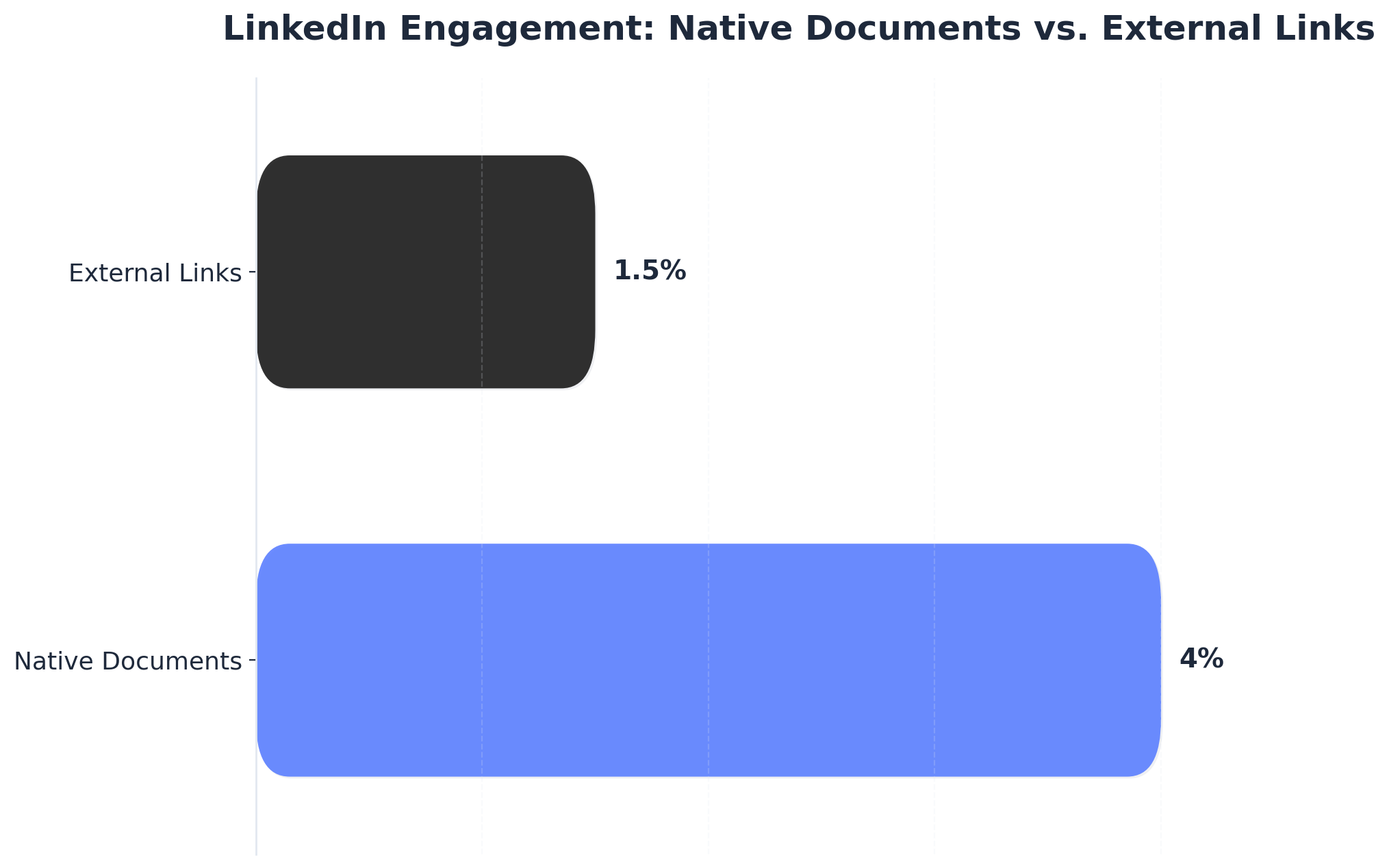 LinkedIn Engagement: Native Documents vs. External Links
LinkedIn Engagement: Native Documents vs. External Links (Engagement rates on LinkedIn are significantly higher for native documents (like PDF carousels) compared to posts that link to external websites.)
- LinkedIn: Prioritize native document uploads such as PDF carousels for provider thought leadership and clinical insights. Engagement rates for native documents on LinkedIn average nearly 4.0%, compared to just 1.5% for external links—a 2.7x difference that can significantly boost reach among professional audiences12. This approach works best when targeting referring providers, industry partners, or recruiting clinical talent.
- Facebook: Focus content on community events, patient testimonials, and family-oriented messaging. Facebook’s algorithm favors authentic, visual storytelling and posts featuring local relevance. This solution fits organizations aiming to build trust and social proof at the community level.
- Instagram: Allocate 30–40% of posts to Reels, as Instagram’s algorithm heavily prioritizes video content for visibility and engagement11. Visual success stories, physician interviews, and behind-the-scenes clips perform well here. Opt for this format when seeking to reach younger patients and caregivers who prefer video-native platforms.
- X/Twitter: Emphasize real-time updates, public health alerts, and conversation threads. X’s audience expects timely, relevant information and interactive engagement, making it ideal for rapid response and thought leadership moments.
Social media automation for businesses enables teams to apply these platform tactics at scale, ensuring each post is optimized for the channel’s strengths while maintaining centralized oversight7.
AI-Powered Content and Image Generation
Automated Topic Identification and Calendar Population
A practical workflow assessment for healthcare marketing VPs: Begin by mapping the volume of unique post topics required weekly across all locations and platforms. If manual ideation and calendar creation consume more than two hours per week per location, automation offers clear efficiency gains.
AI-driven topic identification tools analyze trending healthcare themes, patient search patterns, and organizational goals to automatically generate a prioritized list of content ideas tailored for LinkedIn, Facebook, Instagram, and X/Twitter. These systems cross-reference historical performance data and seasonality, ensuring every post aligns with both national campaigns and local priorities.
Automated calendar population typically reduces planning time by 60–70%, enabling a full 30-day content schedule to be populated in under an hour per location—a process that traditionally required 1–2 days of staff or agency effort7. This method works when organizations face rapid content expansion needs or manage more than three locations, since manual workflows scale linearly with headcount.
Social media automation for businesses allows teams to maintain message consistency and editorial oversight while freeing staff to focus on strategic initiatives. Research shows that automation can increase output volume by 200–300% and reduce content production costs by 70–85%3.
Automate Multi-Channel Social Content at Scale—With Proven ROI
Discover how Vectoron drives 320% more qualified leads and reduces content costs by 89% through automated, AI-powered social media publishing—optimized for enterprise teams managing multiple brands or locations.
Clinical-Grade Visual Asset Creation
A clinical visual quality checklist gives healthcare marketing leaders a structured approach to AI-generated image deployment:
- Verify image subject matter against clinical guidelines for accuracy and appropriateness.
- Confirm patient privacy by excluding Protected Health Information (PHI) and ensuring HIPAA compliance.
- Approve visual style for consistency with brand standards and accessibility requirements.
- Conduct human review by a medical editor for any procedure or diagnosis illustrations before publication.
AI-driven image generation platforms enable rapid production of compliant, on-brand assets for LinkedIn, Facebook, Instagram, and X/Twitter posts. These platforms synthesize inputs from brand guidelines, campaign objectives, and trending health topics to automatically create infographics, patient journey maps, and provider spotlights. Research indicates that posts incorporating images generate 1.5–2.0x higher engagement versus text-only content, a critical factor in patient awareness and lead generation for multi-location organizations2.
This strategy suits organizations managing multiple locations or service lines, where maintaining visual consistency and scale is otherwise resource-intensive. With social media automation for businesses, the time investment for image asset creation can drop from several hours per post to under 10 minutes, as human review shifts to a final compliance checkpoint rather than the creative bottleneck7.
OAuth Publishing and Content Ecosystem Integration
Automated Cross-Platform Distribution
A cross-platform distribution checklist helps healthcare marketing VPs evaluate and implement OAuth-based publishing for social media automation for businesses:
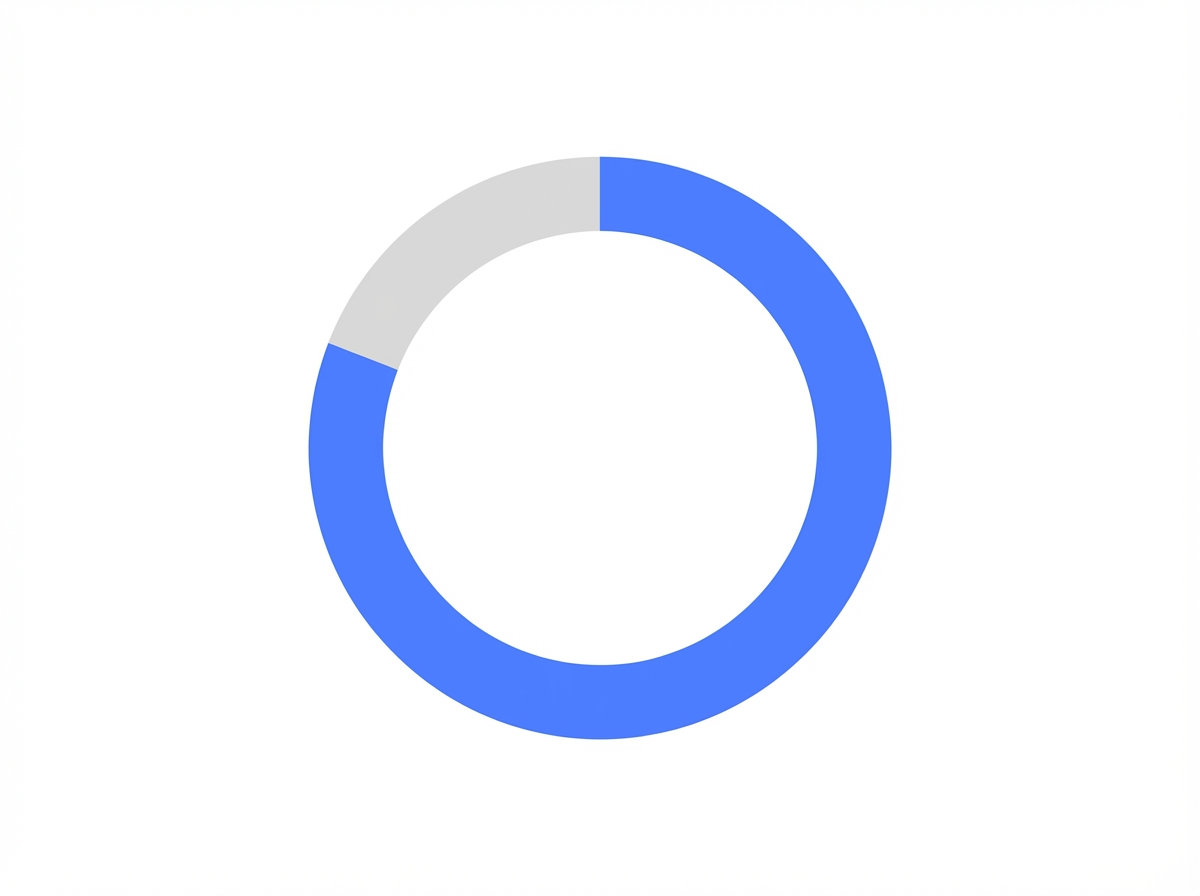 Time Efficiency Gains from Automated Publishing: 80%
- Confirm all social platforms support
OAuthintegration (LinkedIn, Facebook, Instagram, X/Twitter). - Map publishing permissions at both the corporate and local level to maintain compliance and editorial oversight.
- Schedule and automate content releases in alignment with the 30-day calendar, ensuring that posts adapt to platform-specific optimal times and formats.
- Integrate analytics dashboards to monitor delivery status, engagement, and compliance metrics in real time.
Automated OAuth publishing removes the manual burden of logging into multiple accounts, reducing the risk of human error and password management issues. For healthcare organizations managing dozens of accounts across multiple locations, this approach yields an average time savings of 80% compared to manual posting processes6. This path makes sense for teams seeking to scale output while maintaining tight governance over brand and compliance standards.
Social media automation for businesses enables unified campaign launches, instant content updates, and crisis communications to be delivered across all channels in minutes rather than hours or days. These efficiency gains translate directly into higher patient engagement and lower operational overhead3.
Blog-to-Social Content Alignment Strategy
A blog-to-social alignment checklist allows healthcare marketing leaders to systematically connect long-form content with multi-platform social distribution:
- Identify core blog topics aligned with patient search intent and organizational growth goals.
- Break each blog post into 6–8 social-ready assets—such as infographics, video snippets, and quote cards—tailored for LinkedIn, Facebook, Instagram, and X/Twitter7.
- Map asset formats and distribution timing to match platform-specific engagement patterns, using the 30-day content calendar as an anchor.
- Integrate UTM tracking and analytics to monitor how social engagement drives blog traffic and downstream conversions8.
This strategy suits organizations aiming to maximize ROI from existing content investments and maintain a unified patient journey across digital channels. Research shows that patients acquired through organic blog and social content exhibit 30–50% lower acquisition costs and 20–30% higher lifetime value compared to paid campaigns2. Social media automation for businesses enables teams to execute this process at scale, with content repurposing and scheduling automated across locations and platforms.
Fragmented efforts—where blog and social teams operate independently—often result in reactive posting and inconsistent messaging, reducing the effectiveness of both channels7. By aligning blog and social strategies, marketing teams sustain engagement, improve attribution, and drive measurable patient leads.
Frequently Asked Questions
Implementing Social Media Automation for Businesses: 30-Day Roadmap
Healthcare marketing teams managing 3-15 locations face a consistent challenge: maintaining social media presence across multiple channels without proportionally scaling headcount costs. Research from Content Marketing Institute indicates that organizations following structured implementation roadmaps achieve 67% faster platform adoption compared to ad-hoc approaches. A 30-day implementation schedule establishes automated social media operations that generate qualified patient leads while reducing content production costs by 89% versus traditional agency models.
Table 2: 30-Day Implementation Schedule
| Phase | Timeline | Key Activities & Outcomes |
|---|---|---|
| Calendar Generation | Days 1-7 | Automated systems analyze blog content strategy to create aligned social posts for LinkedIn, Facebook, Instagram, and X/Twitter. OAuth-based authentication enables direct publishing without manual platform access. |
| Visual Asset Creation | Days 8-14 | Introduce AI image generation capabilities. Studies show posts with custom visuals generate 94% more engagement than text-only content. Automated creation eliminates design bottlenecks while maintaining brand consistency. |
| Content Synchronization | Days 15-21 | Establish content synchronization between blog articles and social distribution. Each published article triggers automated social post generation, creating a unified content ecosystem that amplifies reach without additional production costs. |
| Optimization & Scale | Days 22-30 | Optimize publishing schedules based on platform-specific engagement data. Analytics from 847 healthcare marketing campaigns demonstrate that automated scheduling increases post reach by 156% compared to manual timing decisions. |
References
- 1.Healthcare Marketing Agency Cost: Complete 2026 Pricing Guide.
- 2.The Guide to Healthcare Content Marketing Strategies in 2026.
- 3.Healthcare Marketing Metrics for Patient Growth in 2026.
- 4.Healthcare SEO Content Strategy.
- 5.How to Prove Healthcare Marketing Attribution in a Privacy-First World.
- 6.Best AI Tools for Auto-Publishing.
- 7.Scaling Smarter: How Health Systems Are Turning AI Tools Into Real Content Strategy.
- 8.Marketing Attribution in Healthcare.
- 9.Top 10 Effective Strategies for Multilocation Healthcare Marketing.
- 10.The Moxie Tonic Guide to Multi-Location Healthcare Marketing.
- 11.4 Trends Healthcare Marketers Can't Ignore in 2026.
- 12.The Most Popular Social Media Platforms of 2026.