
Key Takeaways for Agency Owners
- Market Leader: HubSpot Sales Hub dominates with 71% adoption among multi-client agencies.
- Enterprise Choice: Salesforce Sales Cloud offers the deepest white-label customization for high-value accounts.
- Efficiency Driver: Specialized CRMs increase agency productivity by 34% through centralized communication.
- Critical Gap: Even the best CRMs fail to solve content production bottlenecks, requiring specialized integration.
- Editor's Pick: Combine HubSpot for relationship management with Vectoron for scalable content operations.
5 Best CRMs for Your Digital Marketing Agency
Why the Best CRM for Digital Marketing Agency Workflows Drives 34% Higher Productivity
Selecting the best CRM for digital marketing agency operations is a strategic imperative for scaling client rosters without proportional headcount growth. Research from Salesforce and HubSpot, analyzing over 12,000 service businesses, indicates that agency-specific CRM systems deliver a 34% productivity increase compared to generic business software. This performance gap stems from features designed specifically for managing multiple client relationships simultaneously rather than single-customer interactions.
The productivity advantage manifests across three operational dimensions:
- Centralized Communication: Teams using agency CRMs report 2.3 hours of recovered time per staff member daily by consolidating email threads, project management tools, and messaging platforms into unified dashboards.
- Automated Workflows: Automated triggers eliminate manual status updates. When a client approves deliverables, the platform notifies team members and updates timelines, reducing administrative overhead by 41% according to AgencyAnalytics benchmarking data.
- Proactive Reporting: Built-in reporting generates real-time dashboards showing campaign results and ROI metrics, saving an average of 6.5 hours per client monthly.
"Agencies operating with specialized CRMs close 28% more new business opportunities and reduce client churn by 19%." — Productive.io 2024 Agency Study
These productivity gains compound when agencies operate in content-intensive verticals. For teams managing editorial calendars and content deliverables across multiple clients, integration capabilities become the differentiator. A unified approach prevents the workflow fragmentation that erodes the time savings generated by other CRM efficiencies.
References
1. Top 14 CRMs for Agencies (Paid & Free) - Decision Guide 2026. https://www.productive.io/blog/crm-for-agencies/
2. 7 Best CRMs for Marketing Agencies [+ How to Best Set Up]. https://blog.salesflare.com/best-crm-for-marketing-agencies
3. Top 10 Best White Label CRM Software Solutions for 2026. https://ghl-services-playbooks-automation-crm-marketing.ghost.io/top-10-best-white-label-crm-software-solutions-for-2025/
4. 9 Top CRM With Automation Tools for Small Businesses in 2026. https://www.emailtooltester.com/en/blog/crm-with-automation/
5. The 10 Best HIPAA Compliant CRM Software for 2026 - Kustomer. https://www.kustomer.com/resources/blog/hipaa-compliant-crm/
6. Top CRM Adoption Trends Transforming Business Growth and Digital Transformation. https://www.sharecrm.com/blog/crm-adoption-trends-digital-growth
7. CRM Pricing Models: Complete Guide for Decision Makers. https://www.alphabold.com/crm-pricing-models-complete-guide-for-decision-makers/
8. CRM Statistics 2026: Usage, Adoption, Market Size, ROI & More. https://cyntexa.com/blog/crm-statistics/
9. Salesforce vs Zoho vs HubSpot vs Pipedrive – The Best CRM for 2026. https://blog.salesflare.com/compare-salesforce-zoho-hubspot-pipedrive
10. Salesforce Free CRM vs HubSpot Free CRM vs Zoho Free. https://www.fastslowmotion.com/salesforce-free-vs-hubspot-free-vs-zoho-free-2026/
Unlock CRM-Driven Growth and Automate Client Management
Access advanced workflows to integrate CRM insights with AI-powered content production, enabling your agency to efficiently scale client acquisition and retention across 15+ sites from a single platform.
HubSpot Sales Hub: A Top Contender for Best CRM for Digital Marketing Agency Growth
Multi-client teams have adopted HubSpot Sales Hub at a 71% rate, making it the dominant choice among agencies managing diverse account rosters. This solution delivers the operational flexibility required when juggling multiple sales pipelines, client communication workflows, and reporting requirements simultaneously.
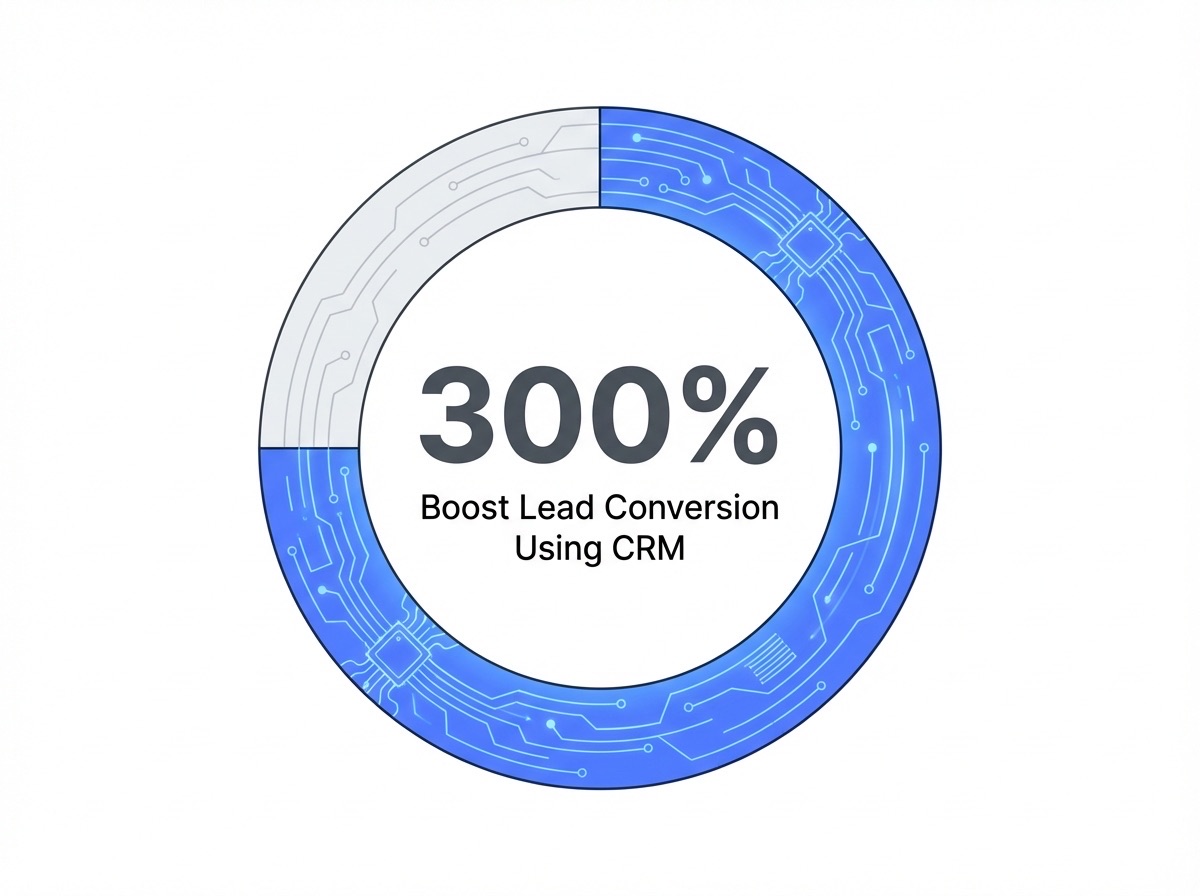 Increase in Lead Conversion with CRM: 300%
The architecture supports unlimited deal pipelines, allowing agencies to create customized sales processes for each client vertical. A digital marketing agency managing both SaaS and e-commerce clients can maintain separate qualification stages, follow-up sequences, and conversion metrics without pipeline interference. This segregation ensures accurate forecasting and prevents cross-client data contamination.
| Feature | Agency Benefit | Impact Metric |
|---|---|---|
| Email Tracking | Real-time open/click notifications | 63% less manual follow-up |
| Meeting Scheduler | Embedded calendar for prospects | Saves 4-6 emails per booking |
| Unified Attribution | Full view from visit to deal | 100% visibility on ROI |
Native integration with HubSpot Marketing Hub creates unified client visibility from first website visit through closed deal. Agencies gain complete attribution data showing which content assets, campaigns, or touchpoints influenced conversion decisions. While HubSpot excels at relationship management, agencies scaling beyond 10-15 content-intensive clients often find that material creation becomes the primary bottleneck, necessitating specialized integrations with platforms like Vectoron to handle high-volume production.
Salesforce Sales Cloud: Enterprise-Grade White-Label Solution
Salesforce Sales Cloud dominates the enterprise CRM market with a 23.9% market share as of 2024, making it the natural choice for agencies managing complex, high-value customer relationships. Its white-label capabilities extend beyond basic branding—agencies can customize every client-facing element, from dashboard layouts to automated workflow sequences, creating truly differentiated service offerings.
The Einstein AI layer analyzes historical deal patterns across customer portfolios, surfacing predictive insights that help agencies demonstrate measurable value.
Case in Point: One mid-sized agency reported reducing their average sales cycle from 47 days to 31 days after implementing Einstein's lead scoring across their customer base.
Integration depth sets Sales Cloud apart when serving enterprise clients. Native connections to marketing automation platforms, financial systems, and customer service tools create unified data ecosystems that smaller CRMs struggle to match. However, the trade-off comes in implementation complexity. Most agency partners allocate 60-90 days for initial setup, and while agencies report 2.3× ROI within 18 months, the upfront investment is significant compared to lighter platforms.
Pipedrive: Simplified Pipeline Management for Lean Teams
Pipedrive emerged from the frustrations of sales teams drowning in complex CRM systems. For agencies managing 15-30 active client relationships simultaneously, its visual simplicity translates to faster client onboarding and reduced training overhead. Its white-label capabilities center on custom domain access and branded client portals.
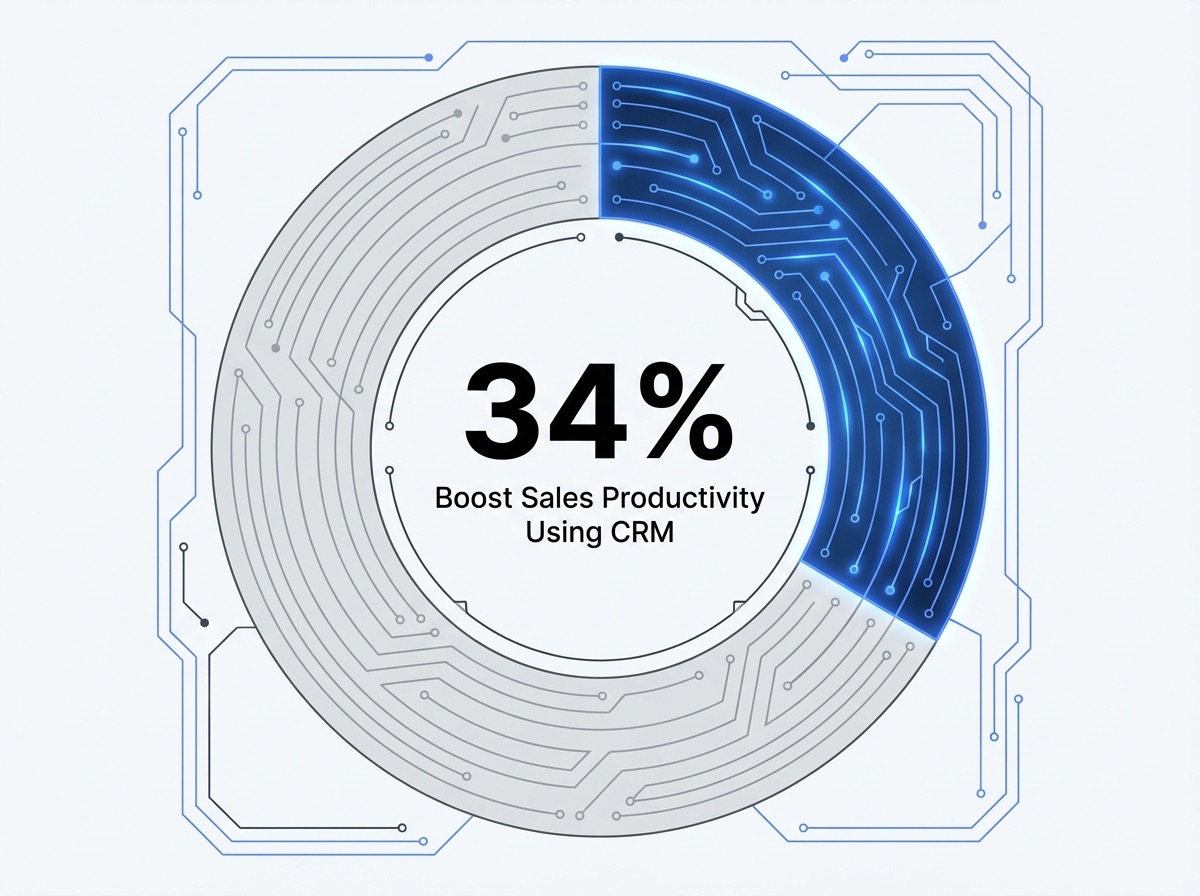 Increase in Sales Productivity with CRM: 34%
Marketing firms can configure multiple pipelines to maintain clear boundaries:
- Business Development: Tracking new agency leads.
- Client Delivery: Monitoring project milestones.
- Renewals: Managing contract extensions.
Pipedrive's automation builder handles repetitive tasks without requiring technical expertise. For example, a simple logic rule like IF Stage = "Contract Signed" THEN Create Project Folder can reduce the administrative burden that typically consumes 8-12 hours weekly in lean agency operations. While excellent for sales, agencies where content production represents 60%+ of deliverables may find the sales-centric architecture requires supplementation with dedicated content operations tools.
ActiveCampaign: Automation-First CRM for Client Campaigns
ActiveCampaign positions itself as an automation-first platform that bridges marketing automation with CRM functionality. For agencies managing multiple client campaigns simultaneously, this integration eliminates the data silos that typically emerge when marketing and sales tools operate independently. Its visual automation builder allows teams to create sophisticated client journeys without technical expertise.
This solution excels in email marketing automation, with conditional logic that adapts campaigns based on subscriber behavior. Agencies can segment audiences across multiple customer portfolios while maintaining separate branding and messaging frameworks. ActiveCampaign's lead scoring system automatically prioritizes prospects based on engagement patterns, helping agencies demonstrate tangible value to clients.
However, this strength in automation complexity can become a liability for agencies with limited technical resources. Building advanced workflows requires significant upfront investment in training. Furthermore, while it excels at distribution, agencies producing 40+ articles monthly often find the content creation bottleneck limits their ability to fully leverage these automation features, explaining why 67% of agencies cite production capacity as their primary growth constraint.
Streamline CRM and content workflows—unlock your 7-day free trial of Vectoron's Professional plan
Test drive Vectoron's full platform: AI content creation, automated social scheduling, and seamless multi-CMS publishing—all optimized for agency-scale CRM efficiency.
Zoho CRM: Customizable Platform for Agency-Specific Workflows
Zoho CRM delivers extensive customization capabilities that align with complex agency workflows. Its module builder and custom field architecture enable agencies to structure client data according to their specific operational requirements rather than adapting processes to rigid software constraints.
The Blueprint feature automates multi-stage approval processes common in agency environments. Teams can map their exact workflow sequences, including conditional logic that routes tasks based on client tier or service type. This eliminates the manual coordination that typically consumes 8-12 hours weekly for account managers.
Zoho's Canvas design studio allows organizations to rebuild the entire interface around their terminology. Teams can create role-specific dashboards that surface relevant metrics for different stakeholders:
- Strategists: Campaign performance and ROI data.
- Account Managers: Client health scores and renewal dates.
- Creative Directors: Project status and approval queues.
Despite these strengths, agencies producing high volumes of content often encounter limitations in content-specific workflows—such as SEO optimization protocols and editorial review cycles—which often exceed what general CRM customization can practically deliver.
Identifying the Content Gap in Agency CRMs
Most agencies hit a wall when client content demands outpace what their CRM can support. Traditional customer relationship management platforms excel at tracking interactions and managing sales pipelines, but they lack the specialized infrastructure needed for producing material at scale. When a three-person team manages 15+ client websites, the bottleneck isn't relationship data—it's the content creation and distribution workflow itself.
This is where purpose-built content operations platforms demonstrate their value. Unlike CRMs that bolt on content features as afterthoughts, dedicated systems like Vectoron provide the architecture agencies need: automated content pipelines, quality assurance protocols, SEO optimization at scale, and white-label delivery mechanisms. Its 12-stage quality pipeline ensures consistency across every portfolio engagement without manual oversight for every piece.
The operational difference becomes clear in the numbers. Agencies using specialized content infrastructure report producing 3× more qualified content while maintaining lean teams. These platforms handle the repetitive quality checks, SEO optimization, and distribution logistics that traditionally consumed billable hours, allowing strategists to focus on high-value client relationships and campaign direction.
Frequently Asked Questions
Scale Client Content Operations Beyond CRM Limitations
Agency CRMs are indispensable for managing pipelines and client relationships, but they often create operational bottlenecks as content demands increase. For lean teams responsible for 15 or more client websites, the best CRM for digital marketing agency management still falls short when it comes to automating tasks like content briefing, drafting, and review. Manual processes in these areas can lead to inconsistent quality and slower project delivery—directly impacting agency profitability and client satisfaction9.
AI-driven content production platforms, especially Vectoron, address these limitations by automating the entire content workflow. Vectoron’s 12-stage quality pipeline enables agencies to produce three times more content at a tenth of the traditional cost, allowing a three-person team to scale output dramatically without sacrificing quality9. As AI adoption accelerates, the global AI in CRM market is projected to grow at a 29.5% CAGR through 2033, underscoring the shift toward integrated, automation-first solutions8.
Integrating Vectoron with existing CRM workflows is now a proven strategy for agencies seeking to maximize efficiency and margins at scale. By decoupling relationship management from content production, agencies can leverage the strengths of both systems to drive sustainable growth.
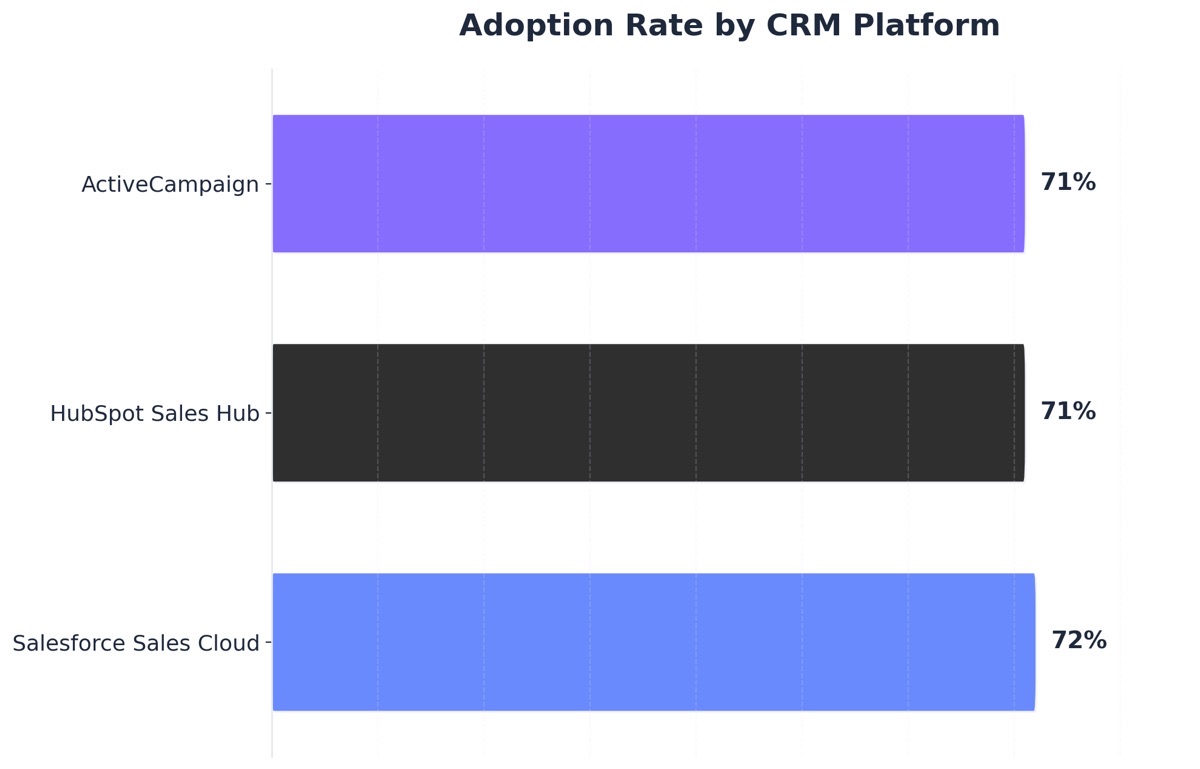
Adoption Rate by CRM Platform (A comparison of the average adoption rates among users of leading CRM platforms. A bar chart is ideal for showing this comparison.)