
Key Takeaways
- Profound measures citation share across ChatGPT, Perplexity, and Gemini using synthetic prompt panels, fitting agencies whose reporting can tolerate sampled estimates over first-party feeds.
- AthenaHQ exposes prompt-level answers and sentiment, suiting regulated verticals where a single hallucinated brand claim becomes a legal or PR issue rather than a ranking one.
- Otterly.AI trades enterprise depth for setup speed, letting smaller agencies onboard clients in under an hour across ChatGPT, Perplexity, and Google AI Overviews.
- Semrush AI Toolkit bolts AI Overview and LLM mention tracking onto an existing workspace, cutting tool-switching for agencies already paying per seat across the strategist bench.
- Ahrefs Brand Radar ties AI answer mentions back to the backlink graph, closing the loop for agencies whose retainers include digital PR and earned-media work 12.
- Bing Webmaster Tools AI Performance is the only first-party citation feed, reporting Total Citations, Average Cited Pages, and Grounding queries free per verified property 5.
- Peec AI collapses ChatGPT, Perplexity, Gemini, AI Overviews, and Copilot into one composite visibility score, giving lean strategist benches a single number for client calls.
- Vectoron is an execution-layer platform rather than a citation tracker, routing AI-visibility signals into briefs, drafts, and approvals to close the systematic-integration gap 8.
The rank tool category just split in two
Ask a Head of SEO what a rank tool is in 2024, and the answer is a keyword position tracker. Ask again in 2026, and the answer forks. Half the category still tracks blue-link positions on Google and Bing. The other half tracks whether a client's URLs get cited inside AI Overviews, Google's AI Mode, Bing Copilot Search, and third-party LLM answers from ChatGPT, Perplexity, and Gemini. Same word, two different instruments, two different budget lines.
Google frames the shift plainly: AI Overviews and AI Mode are grounded in top web results and use existing core ranking systems, and there are no additional technical requirements for a page to appear as a supporting link 1, 2. Microsoft has gone a step further by publishing citation-level data directly to publishers through Bing Webmaster Tools, exposing metrics like Total Citations and Grounding queries that no third-party rank tracker can replicate 5.
For agency leaders running 15 to 80 clients, this split changes the shopping list. The question is not which tool has the best SERP graphs. It is which combination of measurement surfaces, citation feeds, and content workflow support lets a lean strategist bench defend retainers when clients start asking whether their brand shows up in ChatGPT. The eight tools that follow are scored against that question, not the old one.
What agencies actually need to measure now
AI answer surfaces do not share a common metric. An agency measuring visibility across a client roster is really measuring three separate feeds that happen to share the label "citation."
Google's AI Overviews and AI Mode pull supporting links from indexed, snippet-eligible pages using the same core ranking systems that produce blue-link results, and Google is explicit that no additional technical requirements apply 1. That framing matters for tool selection: any platform claiming a proprietary Google AI Overview signal is inferring, not reading. Third parties can scrape prompts and log which URLs appear as supporting links, but they cannot see Google's grounding logic.
Bing Copilot Search is the opposite. Microsoft designed Copilot Search to cite sources prominently and inline the passages that fed the answer, making the citation itself part of the user experience 4. Then Microsoft published the underlying data. The AI Performance dashboard in Bing Webmaster Tools now reports Total Citations, Average Cited Pages, and Grounding queries per property 5. That is first-party citation telemetry no third-party rank tool can match on the Bing side.
The third feed is the LLM answer engines themselves — ChatGPT, Perplexity, Gemini as a chat product — where measurement means running prompt panels at scale and logging which domains appear in answers. That is a sampling problem, not a log-file problem.
For an agency, the practical implication is that a single dashboard promising "AI visibility" across every surface is almost certainly stitching three different methodologies together. The scoring rubric in the next section treats Google inference, Bing first-party data, and LLM prompt sampling as separate capabilities, because that is how the data actually arrives.
How the 8 tools were scored
Each tool below is scored against five criteria that reflect what an agency P&L actually cares about, not what a vendor demo highlights.
- Multi-client account structure: workspace hierarchy, per-client permissions, and whether the price scales by domain, seat, or prompt volume.
- AI citation tracking coverage: which surfaces the tool actually reads — Google AI Overviews and AI Mode inference, Bing Copilot Search, ChatGPT, Perplexity, Gemini — and whether it pulls first-party feeds like Bing Webmaster Tools' Total Citations and Grounding queries 5 or samples them via prompt panels.
- GEO content workflow support: whether the tool only reports citation gaps or also feeds a production loop, given that citations, quotes, and statistics are the content patterns most associated with AI answer inclusion 6.
- Pricing model fit: per-domain versus per-seat versus per-prompt, and how the math holds up across a 40-client roster.
- API and white-label access: whether the data can be piped into client dashboards without a manual export step.
Vendor pricing shifts monthly. Confirm current list rates before signing.
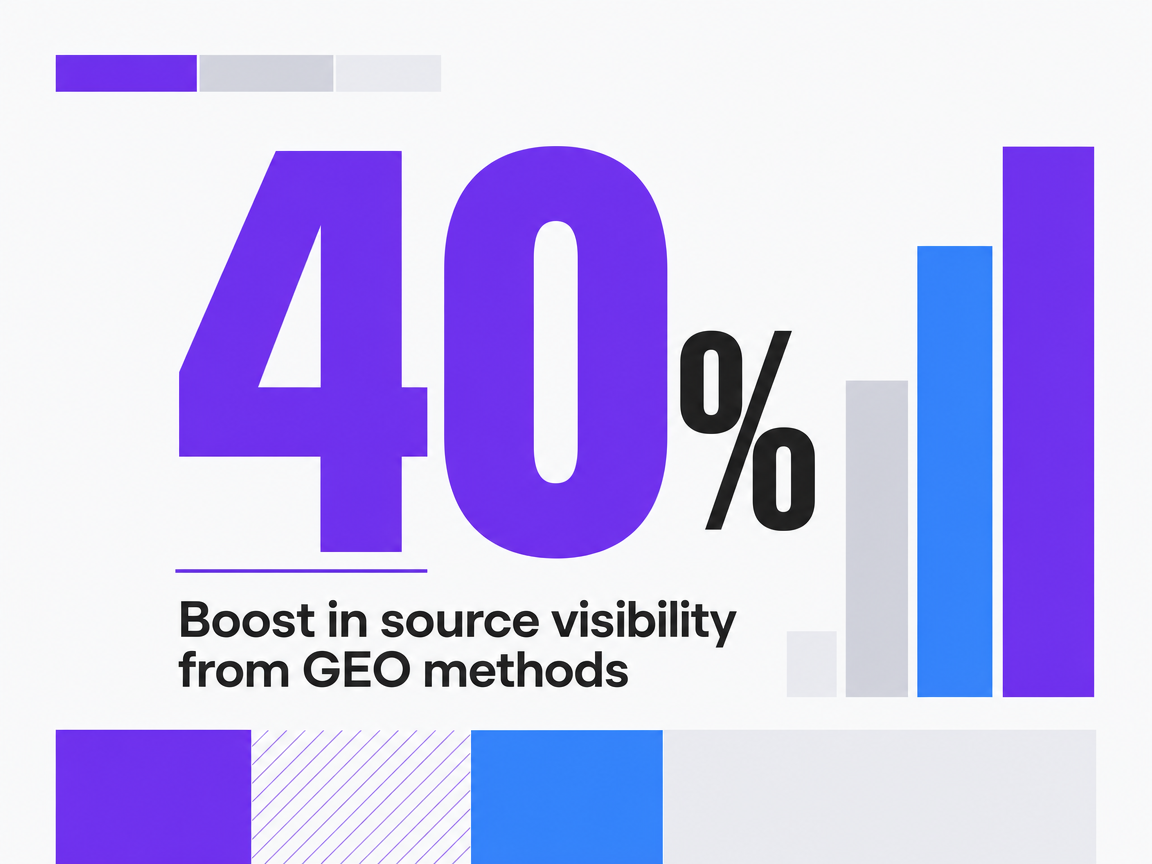 Boost in source visibility from GEO methods
Boost in source visibility from GEO methods
Test AI-driven rank tracking on live campaigns
Monitor and optimize real client rankings with actionable data during your trial—no sandbox limitations.
The 8 rank tools for AI visibility
Profound: LLM citation share across ChatGPT, Perplexity, and Gemini
Profound is built around one question: when a prompt about a client's category runs through ChatGPT, Perplexity, or Gemini, whose domain gets cited? The platform runs synthetic prompt panels at scale, logs the answer text and the linked sources, and rolls the results up into a citation-share metric per brand, per topic, per engine.
For agencies, the interesting layer is the workspace model. Profound treats each client as a tracked entity with its own prompt library, competitor set, and topic clusters, which maps cleanly onto a retainer roster rather than a single in-house brand. Strategists can compare citation share across engines and spot cases where a client dominates Perplexity but disappears from Gemini, which is a real pattern given that different AI systems favor different source types 11.
The trade-off is methodology transparency. Prompt-panel sampling is an estimate of what real users see, not a log of it. Profound fits agencies whose clients care most about ChatGPT and Perplexity presence, and whose reporting cycles can tolerate a sampled metric rather than a first-party feed.
AthenaHQ: prompt-level tracking for enterprise brand monitoring
AthenaHQ leans harder into the brand-monitoring use case. Instead of a citation-share scoreboard, it exposes the individual prompts, the verbatim AI answers, and the sentiment attached to any mention of the tracked brand. That granularity matters for enterprise clients where a single hallucinated claim inside an AI answer becomes a legal or PR problem, not a ranking problem.
The account structure is designed for larger workspaces with role-based access, which suits agencies working with in-house comms and legal teams that need read-only views. Prompt libraries are extensible, so verticals with unusual query patterns — behavioral health, senior living, legal services — can seed their own prompt sets rather than accept a generic template.
AthenaHQ is less useful as a pure GEO production tool. It tells strategists what the answer engines are saying, but the content-workflow loop back into brief creation and publishing lives elsewhere. Agencies serving regulated verticals where reputational risk sits above traffic gains get the most out of the prompt-level detail.
Otterly.AI: lightweight AI answer monitoring for smaller client rosters
Otterly.AI covers similar ground to Profound and AthenaHQ but at a price point and feature depth aimed at smaller operations. The platform tracks prompts across ChatGPT, Perplexity, and Google AI Overviews, reports link mentions and brand mentions, and flags competitor citations against tracked prompt sets.
What Otterly gives up in enterprise features it makes back in setup speed. A strategist can onboard a new client in under an hour, seed 50 prompts, and have a dashboard ready by the next standup. For agencies running 15 to 25 accounts where each client contributes modest retainer revenue, that ratio of setup time to insight matters more than API depth or SSO.
The ceiling is real. Prompt volumes, engine coverage, and reporting cadences are lighter than the enterprise-grade tools. Agencies that outgrow Otterly usually do so by adding regulated-vertical clients or by needing white-labeled client dashboards the platform does not yet offer.
Semrush AI Toolkit: AI Overview tracking bolted onto an existing stack
Semrush's AI Toolkit is the pragmatic choice for agencies already paying for Semrush across the strategist bench. It layers AI Overview presence tracking, brand mention monitoring across LLMs, and prompt-level visibility onto the existing keyword, backlink, and site audit dashboards.
The consolidation argument is real. Strategists already log into Semrush for keyword research and technical audits, so adding AI visibility to the same workspace removes a tool-switch. Client projects inherit the existing folder structure, permissions, and reporting templates, which cuts onboarding overhead per new account.
The trade-off is depth. A specialist AI-visibility platform samples more prompts across more engines and publishes methodology in more detail. The AI Toolkit reads as a competent second layer rather than a category leader, which fits agencies whose clients ask about AI Overviews but do not yet demand engine-by-engine reporting. Pricing scales by seat rather than by tracked domain, so a 12-strategist agency covering 60 clients pays for people, not accounts — usually the cheaper geometry at that ratio.
Ahrefs Brand Radar: AI mention tracking for agencies already on Ahrefs
Ahrefs Brand Radar plays the same consolidation card from the other side of the rank-tracker duopoly. Brand Radar tracks brand mentions across the web and inside AI answers, flags sentiment, and connects mention data to the existing Ahrefs backlink graph, which is useful given that AI search shows a documented bias toward earned media over brand-owned content 12.
For agencies whose PR and link-building services already run through Ahrefs, the workflow benefit is direct: a mention surfaced in an AI answer can be traced back to the source article, the linking domain, and the outreach campaign that produced it. That closes a reporting loop most standalone AI-visibility tools cannot.
Coverage of AI Overviews specifically remains narrower than dedicated GEO platforms, and prompt panels are less configurable than Profound or AthenaHQ. Ahrefs Brand Radar suits agencies whose retainers already include digital PR and earned-media work, and whose clients measure success partly in citation authority rather than pure prompt-level presence.
Bing Webmaster Tools AI Performance: the free first-party citation feed
Bing Webmaster Tools' AI Performance dashboard is the only entry on this list that reports citation data from the source rather than inferring it. The public preview exposes Total Citations, Average Cited Pages, and Grounding queries for each verified property, covering Copilot, Bing AI summaries, and partner integrations that ground on Bing 5. Microsoft is explicit that citation counts do not indicate ranking or placement inside an answer, but the raw feed is real and free 5.
For agencies, that changes the reporting conversation. A Bing-side citation trend can be pulled per client, per month, without a per-domain fee, and paired with the Copilot Search citation-forward UX that Microsoft has committed to publicly 4.
The catch is production. Citation feeds tell strategists what got cited, not what content patterns earn citations in the first place. The Princeton GEO study found that content changes emphasizing citations, quotations, and statistics boosted source visibility by up to 40% in generative engine responses, with a 37% lift measured on a deployed engine — a research benchmark from controlled tests, not a guaranteed market average 6. Bing's dashboard gives agencies the measurement layer for free; the GEO evidence tells them what to feed into it.
Peec AI: multi-engine visibility scoring for lean strategist benches
Peec AI takes a rollup approach. Instead of asking strategists to read three engine dashboards, it collapses ChatGPT, Perplexity, Gemini, Google AI Overviews, and Copilot visibility into a single scored index per brand, with drill-downs into the underlying engine data.
The pitch aims squarely at agencies with five- to ten-person strategist benches covering 30 to 60 clients. A composite score gives account managers a single number to open client calls with, while the underlying engine breakdown gives strategists the specificity they need for content decisions. Prompt libraries and competitor sets are shared across accounts by default, which speeds onboarding for verticals with repeatable query patterns.
Composite scoring hides methodology inside a black box, and agencies whose clients want raw prompt-level evidence will still need to expose the underlying data. Peec AI works best when the reporting bottleneck is strategist time rather than analyst depth.
Vectoron: an execution-layer platform in a measurement-heavy list
Vectoron sits in a different sub-category than the seven tools above, and the honest framing matters: it is an execution-layer platform, not a citation tracker. It belongs in this list because the workflow gap between measurement and production is where most agency AI-visibility programs stall.
The platform runs six specialist AI strategists — content, SEO, PPC, backlinks, social, and call intelligence — through a Command Center approval workflow. AI-visibility signals from Google Search Console, Bing Webmaster Tools AI Performance, and third-party prompt feeds pipe into the same queue that produces briefs, drafts, and published content. Every recommendation carries the strategic reasoning behind it, and nothing ships without human sign-off, which addresses the CMI finding that only 19% of technology marketers describe their AI use as systematic and integrated into daily workflows 8.
Vectoron does not replace a dedicated citation tracker for agencies whose clients demand engine-by-engine visibility reporting. It replaces the manual bridge between what the trackers report and what the content team ships next. Trial pricing is published at $599 per month for a two-week trial period, which serves as the one disclosed price point in this list; per-seat rates for larger agencies are quoted separately.
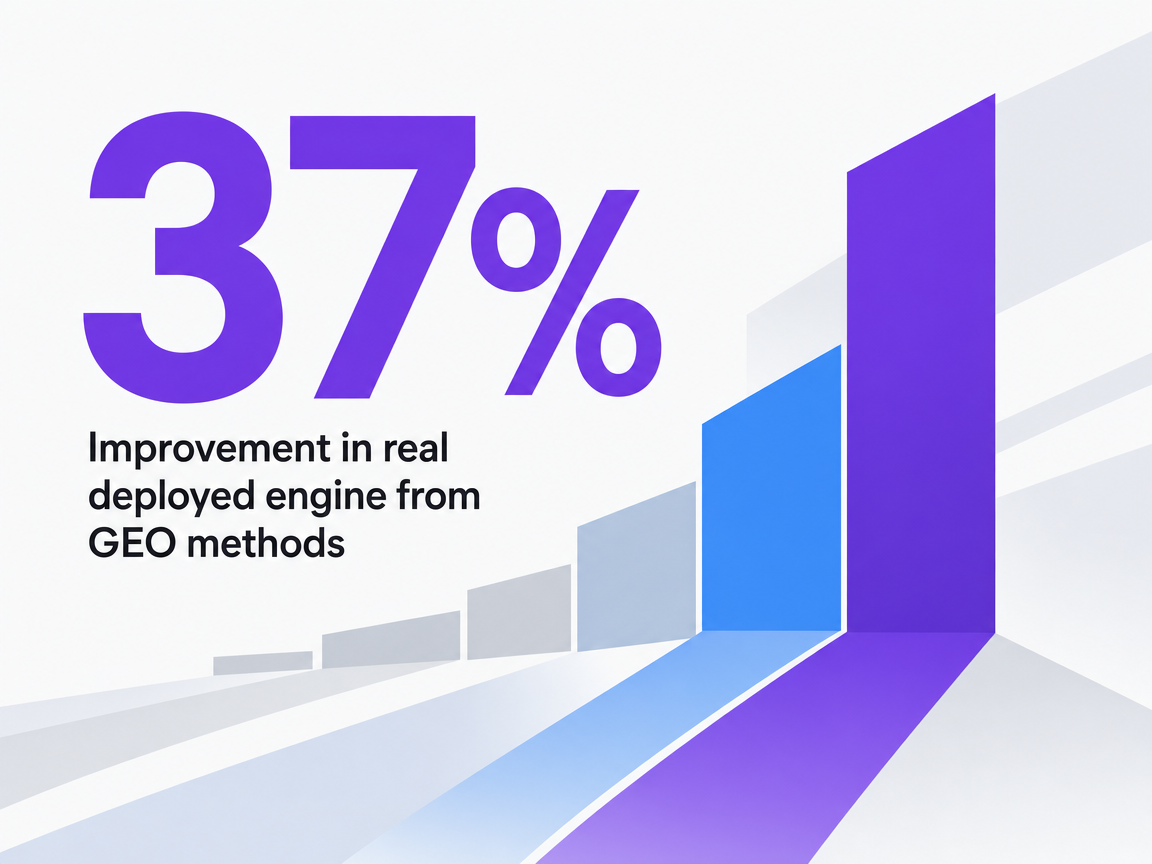 Improvement in real deployed engine from GEO methods
Improvement in real deployed engine from GEO methods
Stack economics for a 40-client agency
Consider a mid-sized agency running 40 client accounts with a bench of eight strategists. The question is not which tool is cheapest but which stack absorbs the AI-visibility workload without pushing strategist hours past a sustainable threshold. Tool selection is downstream of workflow governance: CMI's 2025 benchmark found that 87% of technology marketers use generative AI tools and 68% have guidelines, but only 19% describe their AI use as systematic and integrated into daily workflows 8. Stack economics that ignore that gap tend to buy dashboards nobody operationalizes.
Three stacks map to the choices most agency heads are weighing right now. Strategist hours per client per month is the useful denominator, because it is the variable that determines margin at scale.
| Stack | Tools included | Pricing structure | Est. strategist hours per client / month |
|---|---|---|---|
| A. Classic + manual GEO | Existing rank tracker (Semrush or Ahrefs) + manual AI answer audits | Per-seat, published list price — verify current rates | 4–6 hours (audits done by hand) |
| B. Classic + dedicated AI-visibility | Existing rank tracker + Profound, AthenaHQ, or Peec AI + free Bing Webmaster AI Performance feed 5 | Per-domain for AI tool, per-seat for rank tracker — verify list prices | 2–3 hours (dashboards replace manual audits) |
| C. Consolidated measurement + execution | AI-visibility feeds piped into an execution-layer platform with approval workflow; Bing Webmaster AI Performance included 5 | Trial pricing published at $599/month for a two-week trial; seat rates quoted separately | 1–2 hours (production and reporting share one queue) |
The columns are directional, not quoted. Vendor list prices shift; confirm each before signing. What the geometry reveals is straightforward: stack A leaks strategist time into repetitive audit work, stack B fixes the measurement problem but leaves production disconnected, and stack C is the only configuration where the CMI systematic-integration gap gets closed by design rather than by discipline.
See How Leading Agencies Standardize Rank Tracking Across Clients
Request a walkthrough of advanced rank tool integrations and AI-driven workflows that enable seamless, multi-client SERP monitoring and reporting—optimized for large-scale agency operations.
Niche verticals versus broad rosters: pick coverage accordingly
Client mix changes which tool matters most. Comparative research on web search and generative AI found that once a document enters the context window, positional ranking becomes less critical for popular entities but remains highly impactful for niche entities 13. Translated to agency work: a broad-roster shop covering ecommerce, SaaS, and consumer brands can lean on composite scoring across ChatGPT, Perplexity, and Gemini, because popular categories surface multiple viable sources per prompt. A niche-vertical agency in behavioral health, senior living, or legal services faces the opposite problem — thin candidate pools where a single citation win or loss moves the visibility number materially.
That asymmetry changes the shopping list. Broad rosters get more out of Peec AI's composite index and Semrush AI Toolkit's consolidated view, because the volume of tracked prompts smooths out engine-by-engine noise. Niche-vertical agencies get more out of AthenaHQ's prompt-level detail and Ahrefs Brand Radar's earned-media tracing, because each individual answer carries reputational and legal weight, and because AI search has been shown to bias toward earned media over brand-owned content 12. Bing Webmaster Tools' AI Performance feed matters to both, but disproportionately to niche verticals where every Grounding query is a signal, not a rounding error 5.
A decision framework by agency size and client mix
Four variables settle most agency tool decisions: bench size, client count, vertical concentration, and reporting depth clients demand. Every other feature comparison is downstream of those.
Agencies under 20 clients with a bench of two to four strategists get the best ratio from Otterly.AI plus the free Bing Webmaster Tools AI Performance feed 5. Setup time stays short, per-domain fees stay predictable, and the strategist bench can absorb the manual gap between measurement and production without a dedicated execution layer.
Agencies between 20 and 60 clients with mixed vertical exposure split along reporting-depth lines. Rosters where clients accept a composite visibility number pair Semrush AI Toolkit or Peec AI with Bing's first-party feed. Rosters where clients demand engine-by-engine detail move to Profound or AthenaHQ, accepting the higher per-domain cost as the price of defensible reporting.
Agencies above 60 clients, or below 60 but concentrated in regulated verticals like behavioral health, legal, or senior living, hit the workflow bottleneck first. That is the point where measurement tools stop being the constraint and production capacity becomes it. Adding AthenaHQ or Ahrefs Brand Radar to an execution-layer platform closes the loop between what the citation feeds report and what the content team ships next week, keeping strategist hours per client inside a defensible margin.
Tool selection follows client mix. Client mix does not follow tool selection.
 Growth in demand for content (2023 vs. 2024)
Growth in demand for content (2023 vs. 2024)
Frequently Asked Questions
References
- 1.AI Features and Your Website | Google Search Central.
- 2.AI Overviews and AI Mode in Search - Google Search.
- 3.Google AI Overviews - Search anything, effortlessly.
- 4.Introducing Copilot Search in Bing.
- 5.Introducing AI Performance in Bing Webmaster Tools Public Preview.
- 6.GEO: Generative Engine Optimization - arXiv.
- 7.Marketing content automation.
- 8.Tech Content Marketing Benchmarks, Budgets, and Trends.
- 9.The State Of Artificial Intelligence And Machine Learning Adoption In B2B Marketing 2024.
- 10.May 2025.
- 11.2025 AI Visibility Report: How LLMs Choose What Sources to Mention.
- 12.Generative Engine Optimization: How to Dominate AI Search - arXiv.
- 13.A Comparative Analysis of Web Search and Generative AI ....